
The history of skiing
in Poland
From wooden skis in Cieklin to the world’s ski jumps. A story of curiosity, courage and the people who opened up winter.
It did not begin with a ski lift. It began with people wondering how far two wooden boards could carry them through winter.
Today, skiing feels inseparable from Zakopane. To understand that connection, we travel back to a time when equipment came from a workshop and every journey brought another lesson. This first stage of the story follows the pioneers and the generation that went on to Olympic competition.
Stanisław Barabasz. It begins with curiosity
Before ski lifts, ski schools and busy slopes became part of Zakopane, skiing was an experiment. Stanisław Barabasz, a painter, architect and keen hunter, wanted a way to travel through deep snow. In 1888, at Cieklin near Jasło, he had a pair of wooden skis made. Their first purpose was practical: to make hunting easier, rather than to win a race.
It is an easy beginning to picture: a person, a snowy landscape and two boards whose possibilities were still being discovered. There was no ready-made infrastructure. Turning and controlling speed required experience gained through repeated attempts. Curiosity gradually turned a useful idea into a passion.
On Good Friday in 1894, Barabasz and Jan Fischer reached Czarny Staw Gąsienicowy on skis. Their journey became a landmark in the early story of skiing in the Polish Tatras. After settling in Zakopane and becoming head of the School of Wood Industry, Barabasz was able to share that enthusiasm more widely. Craft, education and the mountains came together in a single life.
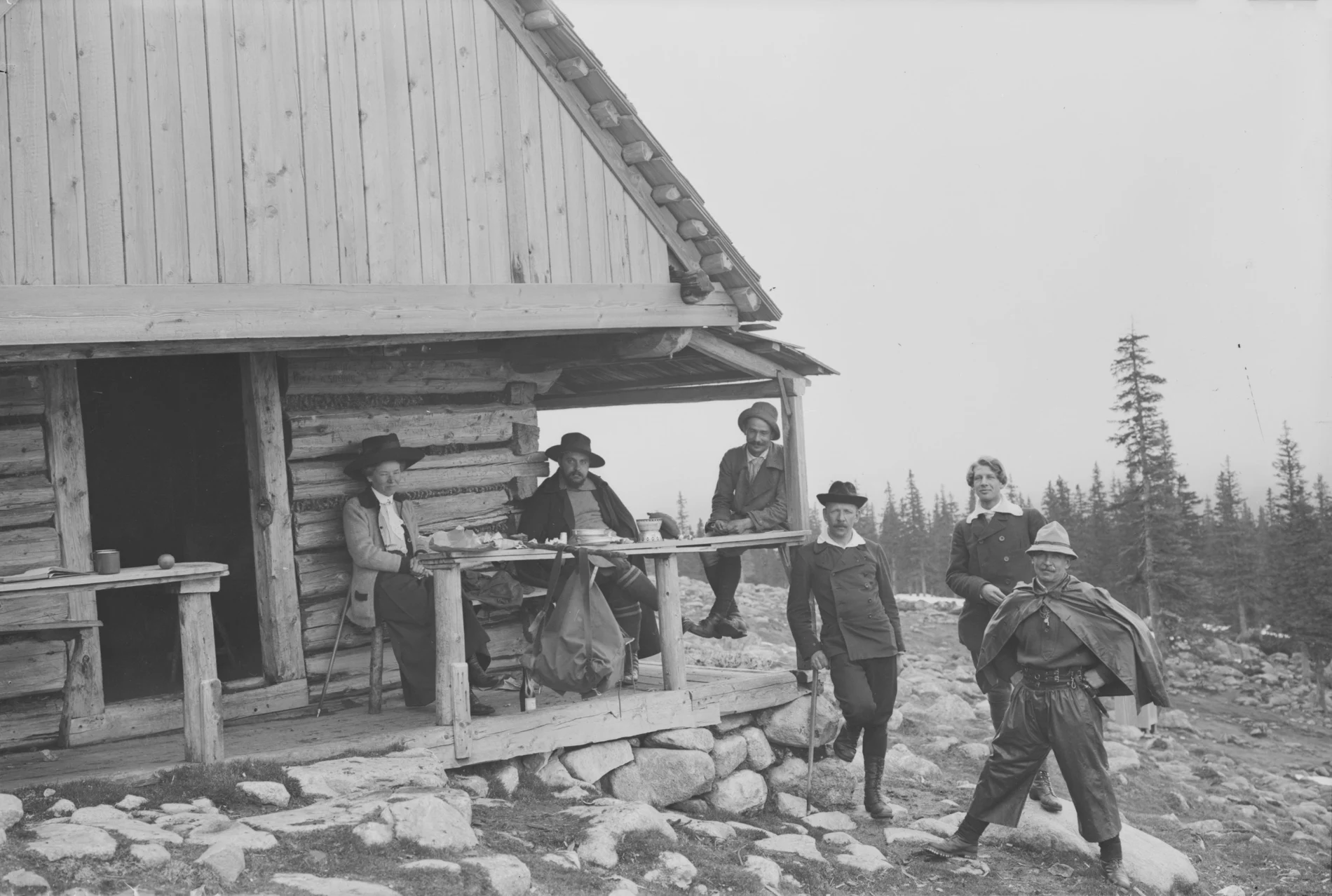
Józef Oppenheim / Muzeum Tatrzańskie, AFN_3428_2 · public domain · Image source ↗
Roman Kordys and Zygmunt Klemensiewicz. More than one beginning
Polish skiing did not emerge in just one place. The communities of Lwów and the Eastern Carpathians also played an essential part. This is the geography of Polish sporting life during the partitions: historical Lwów is present-day Lviv in Ukraine. Understanding those earlier connections helps explain the story without confusing historical circumstances with modern borders.
Roman Kordys and Zygmunt Klemensiewicz were among the people shaping this skiing community. In January 1907, the Carpathian Skiers’ Society was founded in Lwów. Its significance went beyond a name: enthusiasts were sharing experience, organising trips and creating a community that could continue beyond a single winter.
The same year brought an important development in Zakopane. Barabasz, Karłowicz and Zaruski helped establish an organisation that preceded the later Ski Section of the Tatra Society. The clubs’ histories involve changing names and formal dates. Their wider meaning is clear: skiing was becoming a shared winter culture, sustained by people who taught, organised and travelled together.
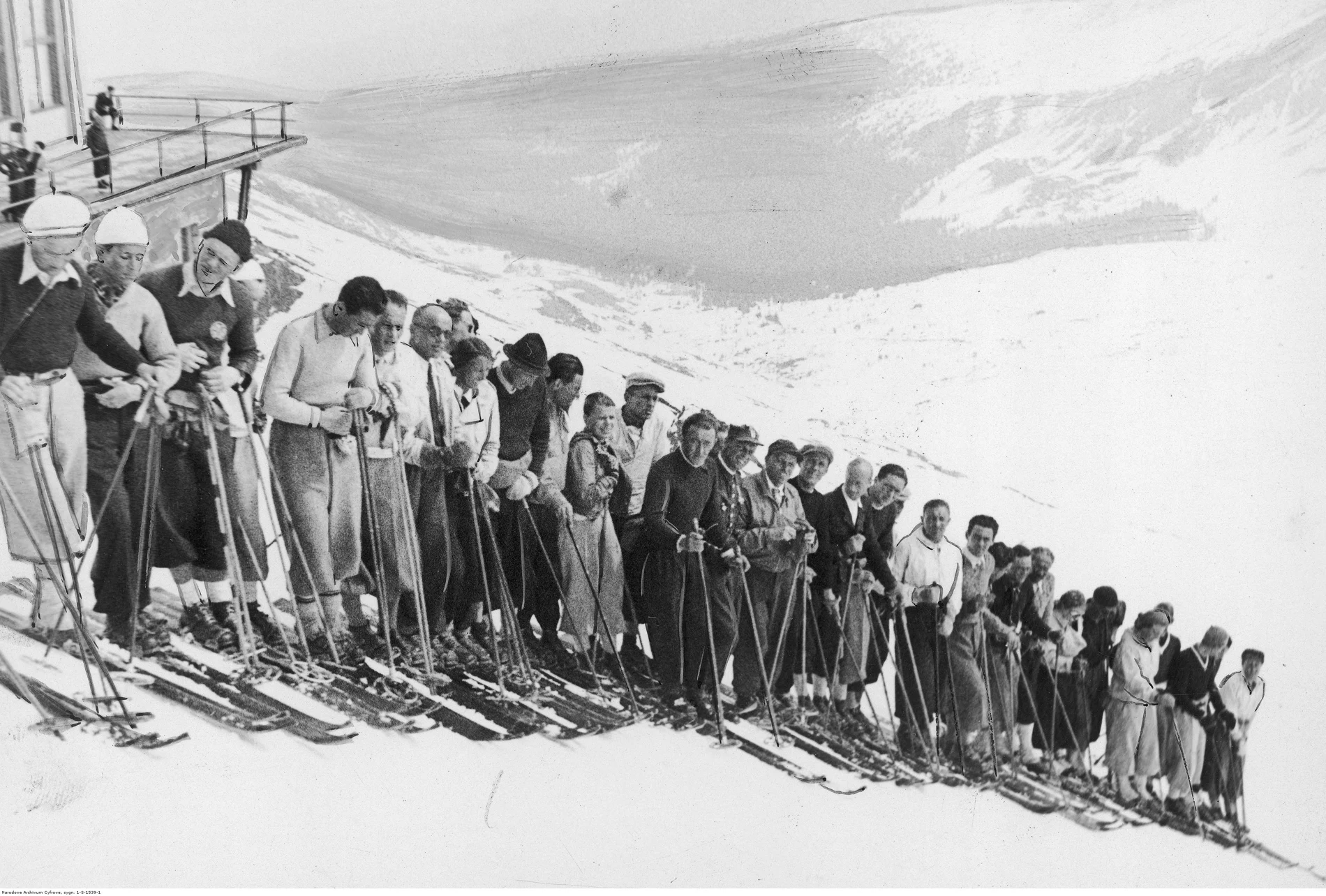
NAC / Koncern Ilustrowany Kurier Codzienny · public domain · Image source ↗
Mariusz Zaruski. Enthusiasm needs knowledge
Mountains, sailing, art and service all meet in the life of Mariusz Zaruski. To early skiers he was more than an expedition companion: he taught, organised and turned personal experience into knowledge others could use. He led a ski course in Zakopane in 1907 and, with Henryk Bobkowski, prepared a skiing handbook published in 1908.
This marked an important change. Courage alone could not sustain the development of a new activity. Skiers needed technique, suitable equipment and an understanding of conditions. They had to learn how winter worked, as well as enjoy the descent. Familiar ideas today were then acquiring their first shared language.
Zaruski helped establish TOPR, the Tatra mountain rescue service, and became its first head in 1909. His life reminds us that skiing and mountain rescue grew together. His famous high-mountain journeys deserve a separate story. Here, his lasting contribution is the example he set for newcomers: ability and responsibility belong within a passion for the mountains.
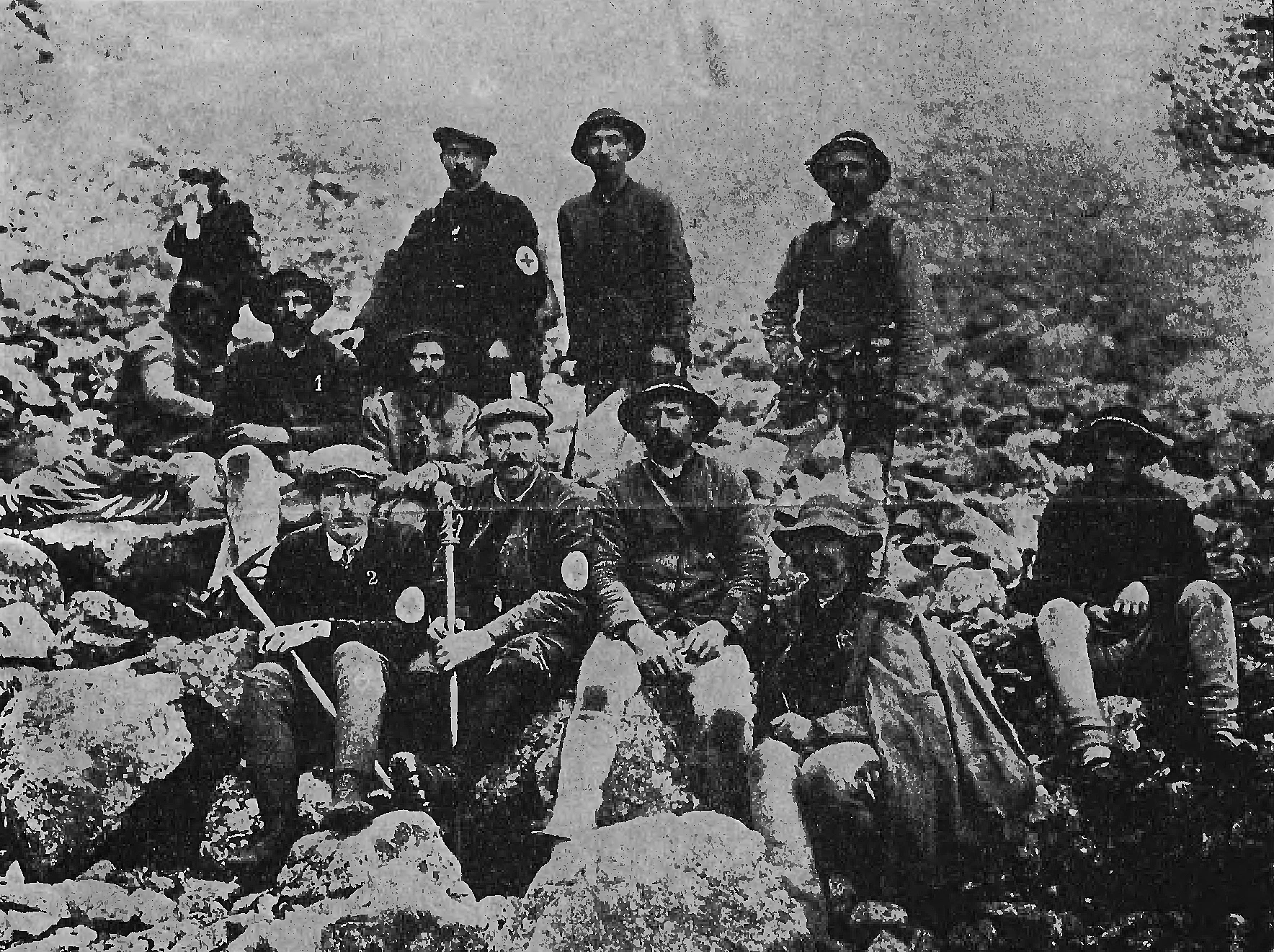
Archiwalna fotografia / Wikimedia Commons · public domain · Image source ↗
Mieczysław Karłowicz. Music, photography and snow
Best known as a composer, Karłowicz was also a photographer, mountaineer and skier. The Tatras offered him a landscape to experience intensely. His place in this story shows how varied the first skiing community was. Its members did not share one profession or a single competitive ambition; they shared a desire to explore.
In 1907, he helped establish Zakopane’s skiing organisation. Trips, photography and community activity formed connected parts of his life. Skis opened a landscape that many visitors had previously known mainly in summer. Winter was becoming a season of discovery in its own right.
On 8 February 1909, Karłowicz died in an avalanche below Mały Kościelec. He was not a member of an already established TOPR: the rescue service was founded later that year. That sequence matters. His death was among the events that highlighted the need for organised help in the Tatras. Behind the beauty of archival photographs lie experiences of loss and the growth of a culture of mountain safety.
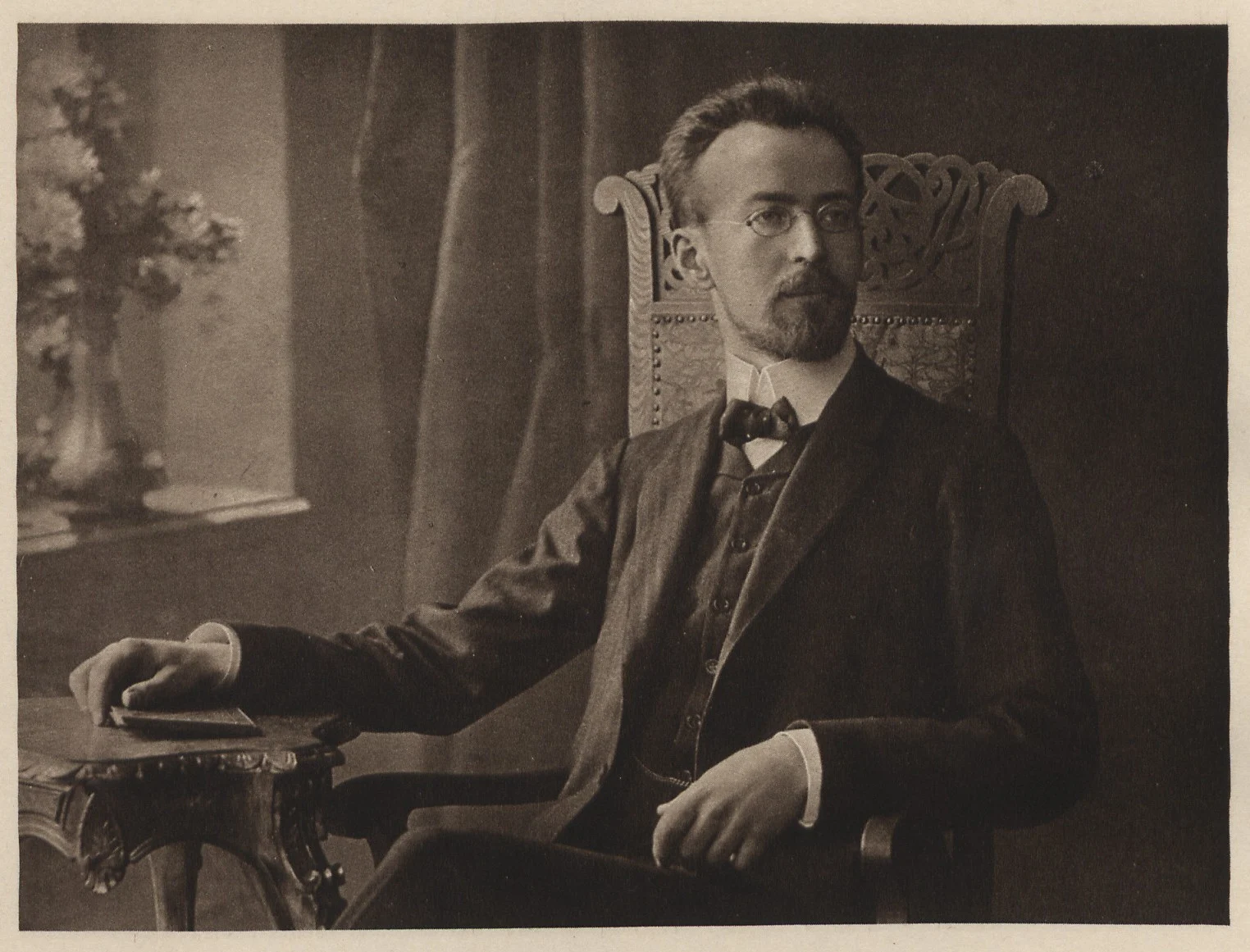
Biblioteka Narodowa / Polona · public domain · Image source ↗
Bronisława Staszel-Polankowa. A place at the start
Women belong at the centre of this history too. Bronisława Staszel-Polankowa, from Kościelisko, became one of Poland’s leading women skiers between the wars. She began with skis she made herself. Andrzej Krzeptowski recognised her talent and helped introduce her to organised sport.
During the FIS competitions in Zakopane in 1929, she won the women’s six-kilometre race. An essential distinction must be preserved: this was an unofficial event, outside the official World Championship programme. Her victory was therefore not an official World Championship gold medal. It remains a significant achievement, showing both her ability and the stage women’s skiing had reached as athletes sought wider recognition.
Her eight Polish championship titles between 1929 and 1937, across cross-country and Alpine events, demonstrate her versatility. In an archival photograph from 1931 she stands on the snow beside Bronisław Czech. It captures a sporting world still expanding its possibilities, with women helping shape its future.
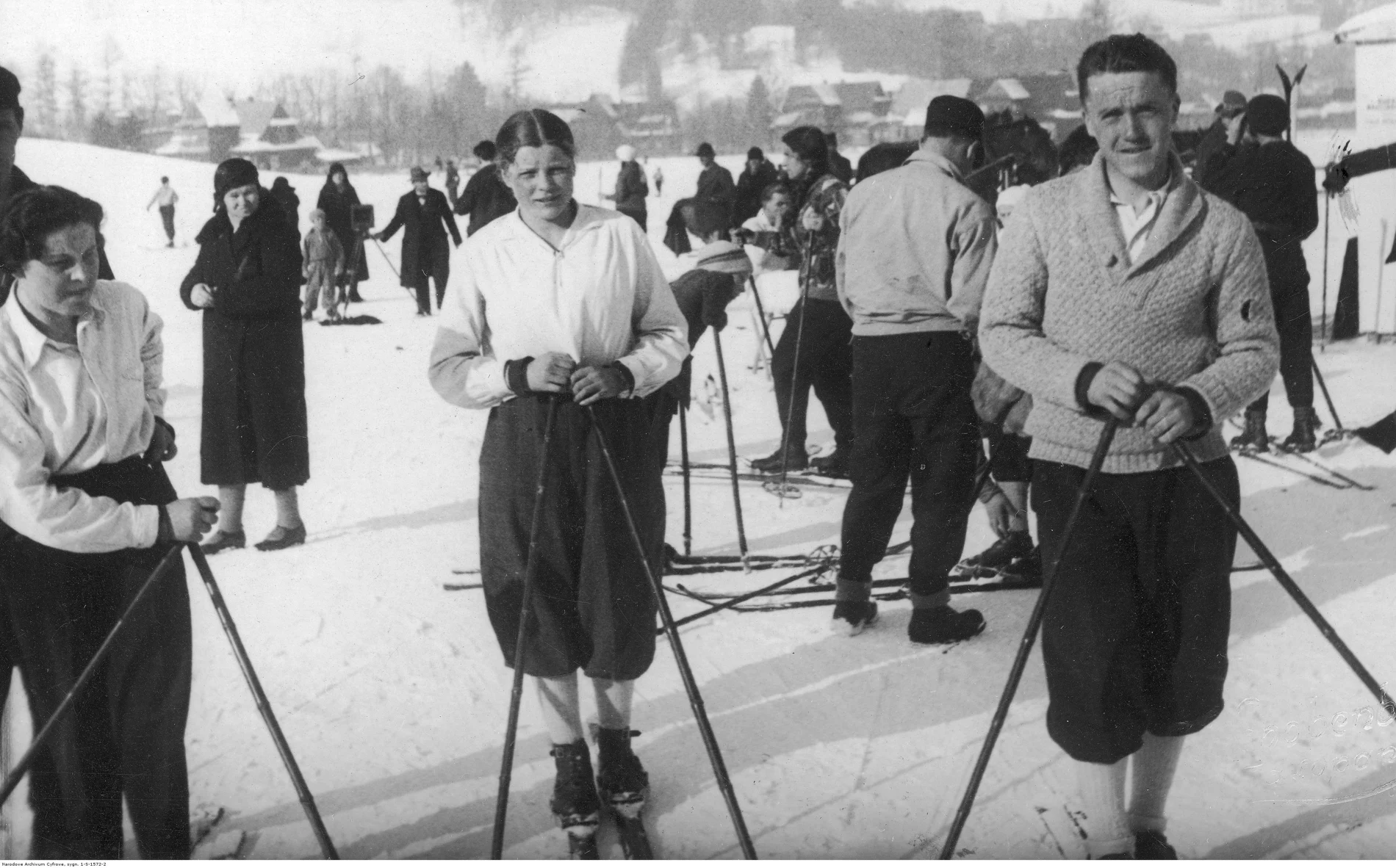
NAC, 1-S-1572-2 / Koncern Ilustrowany Kurier Codzienny · public domain · Image source ↗
Bronisław Czech. A skier of many talents
Cross-country skiing, ski jumping, Nordic combined and Alpine events: modern spectators expect specialisation, but Bronisław Czech excelled across skiing’s different disciplines. He won 24 Polish championship titles and represented his country at three Winter Olympics, in 1928, 1932 and 1936. His career reveals how far skiing had travelled from its experimental beginnings.
Czech was also a mountaineer, rescuer, instructor, pilot and artist. That range helps us understand the mountain culture of his time. Athletic ability, practical skills and sensitivity to the landscape could develop together, rather than belonging to separate worlds.
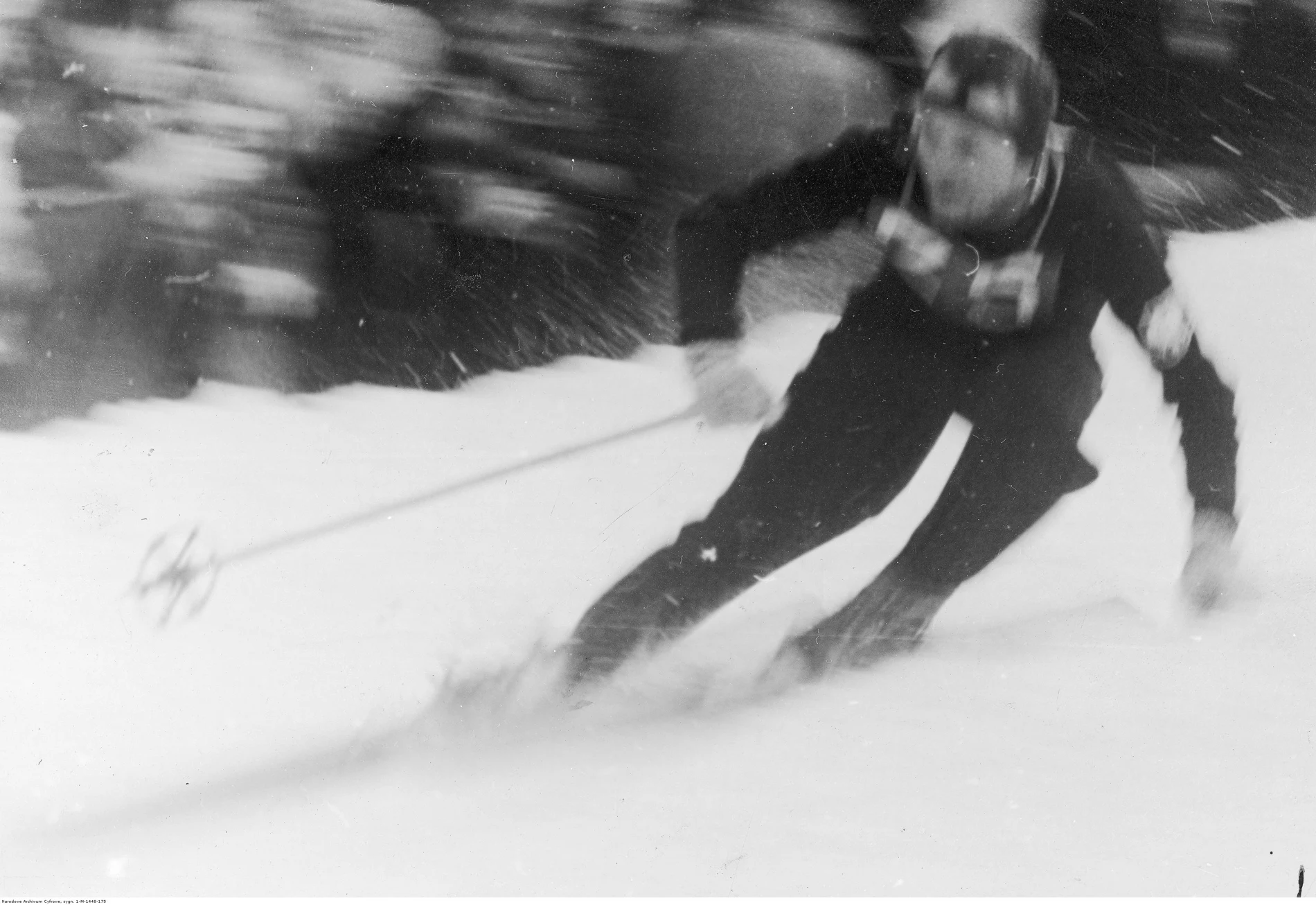
A slalom photograph from 1939 captures his movement and concentration. The equipment belongs to another era, but the energy is immediately recognisable. War cut his life short; he died in Auschwitz in 1944. Remembering him means holding together the human tragedy and the extraordinary sporting talent that helped shape pre-war Polish skiing.
NAC / Koncern Ilustrowany Kurier Codzienny · public domain · Image source ↗
Stanisław Marusarz. Poland on the world’s ski jumps
At Lahti in 1938, Stanisław Marusarz won the World Championship silver medal in ski jumping. It was a landmark achievement for pre-war Polish sport. Only a few decades after the early experiments with wooden skis, a Polish athlete was among the world’s best.
Marusarz competed at four Winter Olympics: 1932, 1936, 1948 and 1952. His career linked two sporting eras separated by war. He is remembered for his remarkable courage as a jumper, while his wider life story also includes wartime work as a courier under occupation.
This is where our first chapter of Polish skiing history pauses. Barabasz and Fischer represent the curiosity of the early years; the Lwów and Zakopane communities show the power of organisation. Zaruski and Karłowicz connect the mountains with knowledge and culture. Staszel-Polankowa, Czech and Marusarz take us into international sport. Behind each name is a person who expanded what a winter on skis could mean.
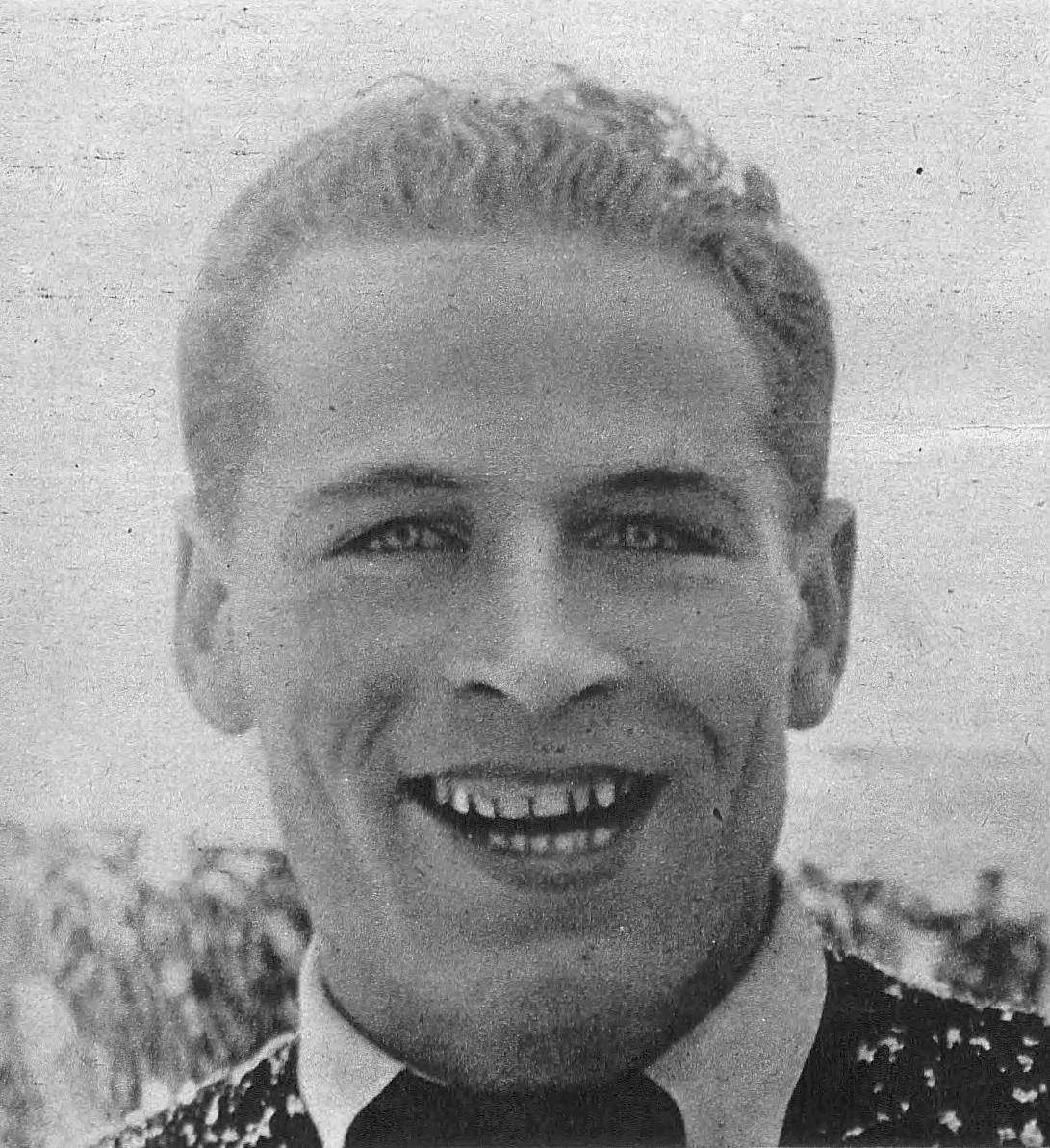
„Światowid” 7/1938 / Jagiellońska Biblioteka Cyfrowa · public domain · Image source ↗
Tracks that endure
Barabasz experiments with wooden skis in Cieklin.
Barabasz and Fischer reach Czarny Staw Gąsienicowy.
Skiing organisations are established in Lwów and Zakopane.
Karłowicz dies; TOPR is founded later that year.
Staszel-Polankowa wins the unofficial women’s race at the FIS competitions.
Marusarz wins World Championship silver in Lahti.
A different view from Kuźnice
Knowing these lives changes an ordinary ski trip. Names on streets, huts and sporting memorials become people with stories. In Kuźnice, those connections feel close: this is the gateway towards Hala Gąsienicowa and Kasprowy Wierch. Before setting out, discover how the cable car was built and how that work transformed winter in Zakopane.
THE KASPROWY CABLE CAR STORY →Continue with the history of Polish Alpine skiing: from Helena Marusarzówna through the Bachleda-Curuś family and the Tlałka sisters to today’s racers.
READ THE NEXT CHAPTER →Historical sources and photograph credits
An original historical introduction based on the sources below. Archival photographs retain their own dates and contexts; not every image depicts the event discussed in its neighbouring chapter. Captions identify the subject and provenance of each photograph.
- Stanisław Barabasz — Państwowe Liceum Sztuk Plastycznych w Zakopanem
- Śladami nart — Muzeum Tatrzańskie
- Wojciech Szatkowski o lwowskich początkach narciarstwa — PAP / dzieje.pl
- Historia Klubu — SN PTT 1907 Zakopane
- Początki narciarstwa w Zakopanem — Polskie Towarzystwo Tatrzańskie
- Mariusz Zaruski — Muzeum Tatrzańskie
- Mieczysław Karłowicz — Polskie Centrum Informacji Muzycznej
- Bronisława Staszel-Polankowa — Polski Słownik Biograficzny
- Bronisław Czech — Polski Komitet Olimpijski
- Stanisław Marusarz — Polski Komitet Olimpijski
Photographs: Tatra Museum, National Digital Archives, National Library of Poland / Polona and Jagiellonian Digital Library, via Wikimedia Commons. Files are marked as public domain; each caption links to the original and its rights statement.
Your own winter begins here
Discover our equipment rental in Kuźnice and choose the gear for your own day in the mountains.
EXPLORE THE RENTAL ↗