
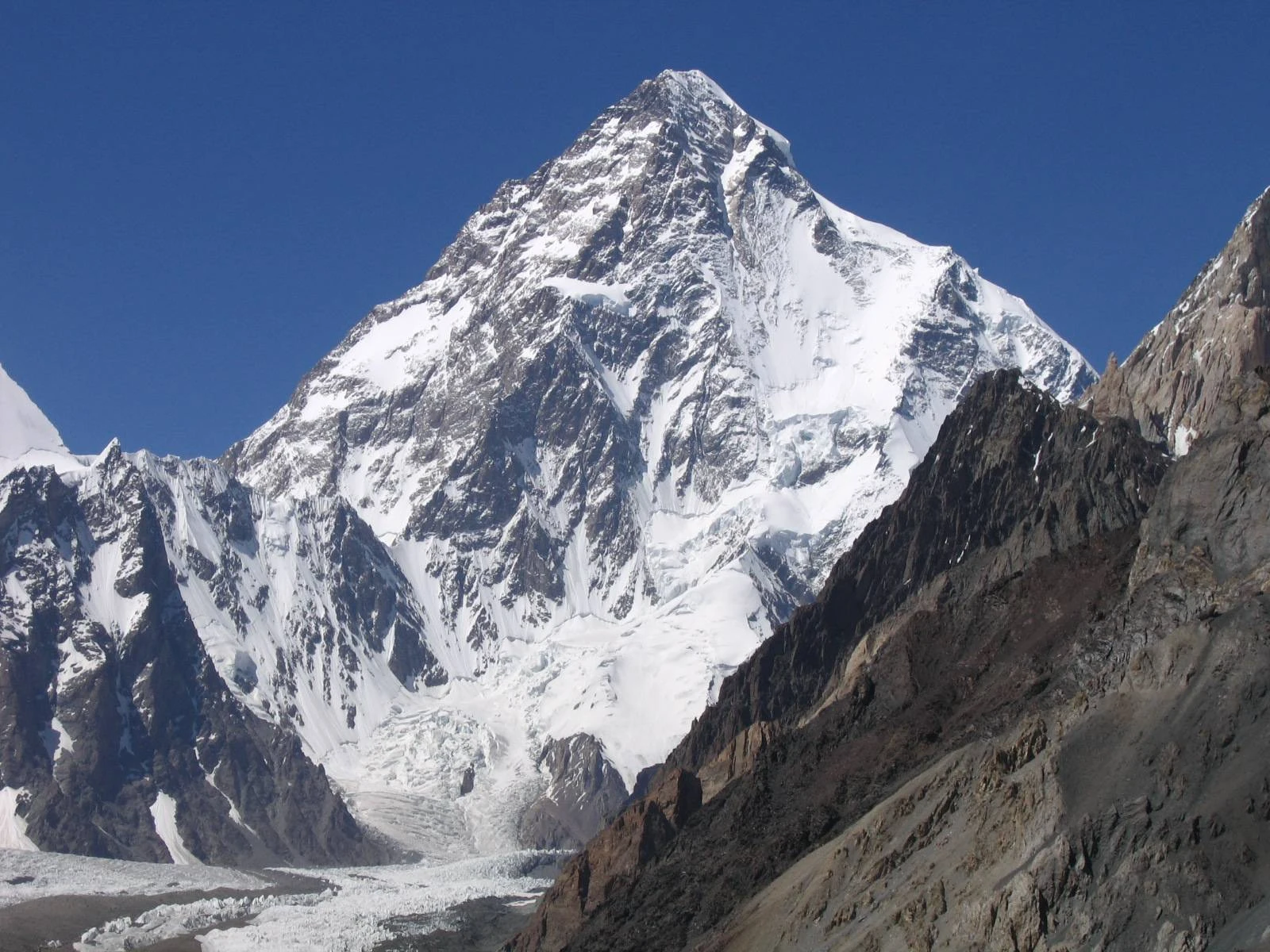
From Tatra couloirs
to the roof of the world.
Malinowski, Cywiński and the steep-skiing community. Women on the world championship stage. Bargiel on K2 and Everest. A mountain passion that travelled far beyond the Tatras.
BEGIN THE STORY ↓
First comes the climb. Only then can the descent begin. That simple order holds more than a century of mountain history — and an experience no lift can replace.
Our previous chapter ended with Pyszna, the early long-distance tours and Józef Oppenheim’s guidebook. Now the trail leads towards the present. It branches into steep Tatra descents, competitive racing and expeditions to the world’s highest mountains. These pursuits share roots, while each demands a distinct set of skills.
After Pyszna, a way of seeing remains.
The postwar story does not begin with a blank page. Books, photographs, knowledge of the valleys and memories of the early mountain community remain. The legacy of Zaruski, Zdyb and Oppenheim is larger than a list of first ascents. It includes the idea that moving through the mountains under your own power changes the way you notice them.
Alongside the long journey, the descent itself becomes a compelling question. Can a particular line be skied? How does snow change it? Where do a skier’s limits lie? These questions differ from choosing a prepared piste. Steep mountain terrain also calls for climbing knowledge, navigation and the ability to turn back.
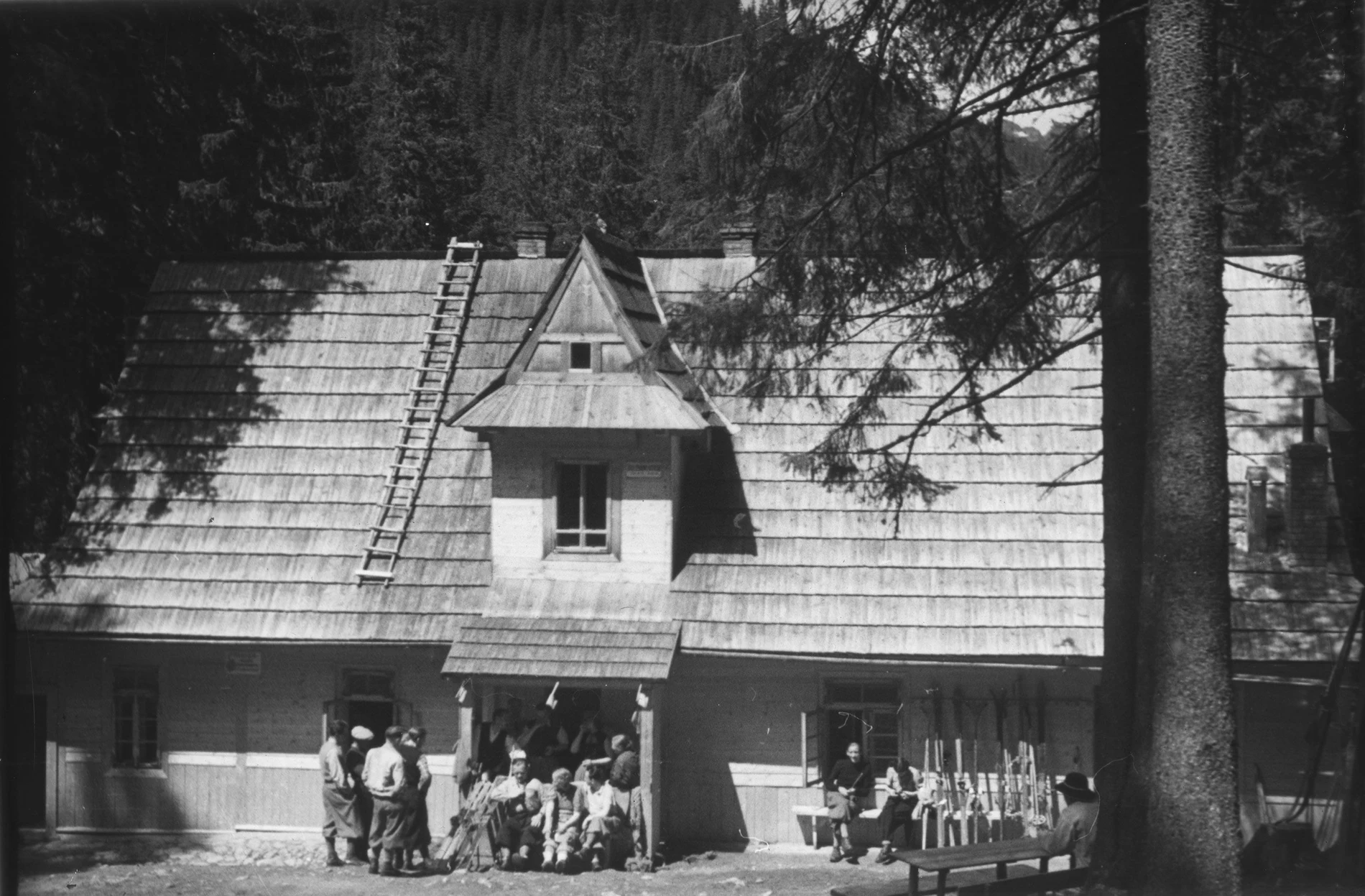
Józef Oppenheim / Muzeum Tatrzańskie · AFN_131_B · Public domain · photograph source
Piotr Malinowski. A life across the mountains.
Piotr Malinowski (1944–1995) combined climbing, mountain rescue and ski mountaineering. Between 1987 and 1993 he headed first the Tatra Group of GOPR and then the re-established TOPR. His biography cannot be reduced to a sporting result: responsibility for other people accompanied his own mountain achievements.
His skiing record includes a descent from Mylna Pass through Komin Drewnowskiego towards Czarny Staw Gąsienicowy. He also raced and encouraged younger athletes. A ski mountaineering memorial competition now bears his name. It brings together two strands of the same tradition: remembering a mountain figure and continuing a demanding, living sport.
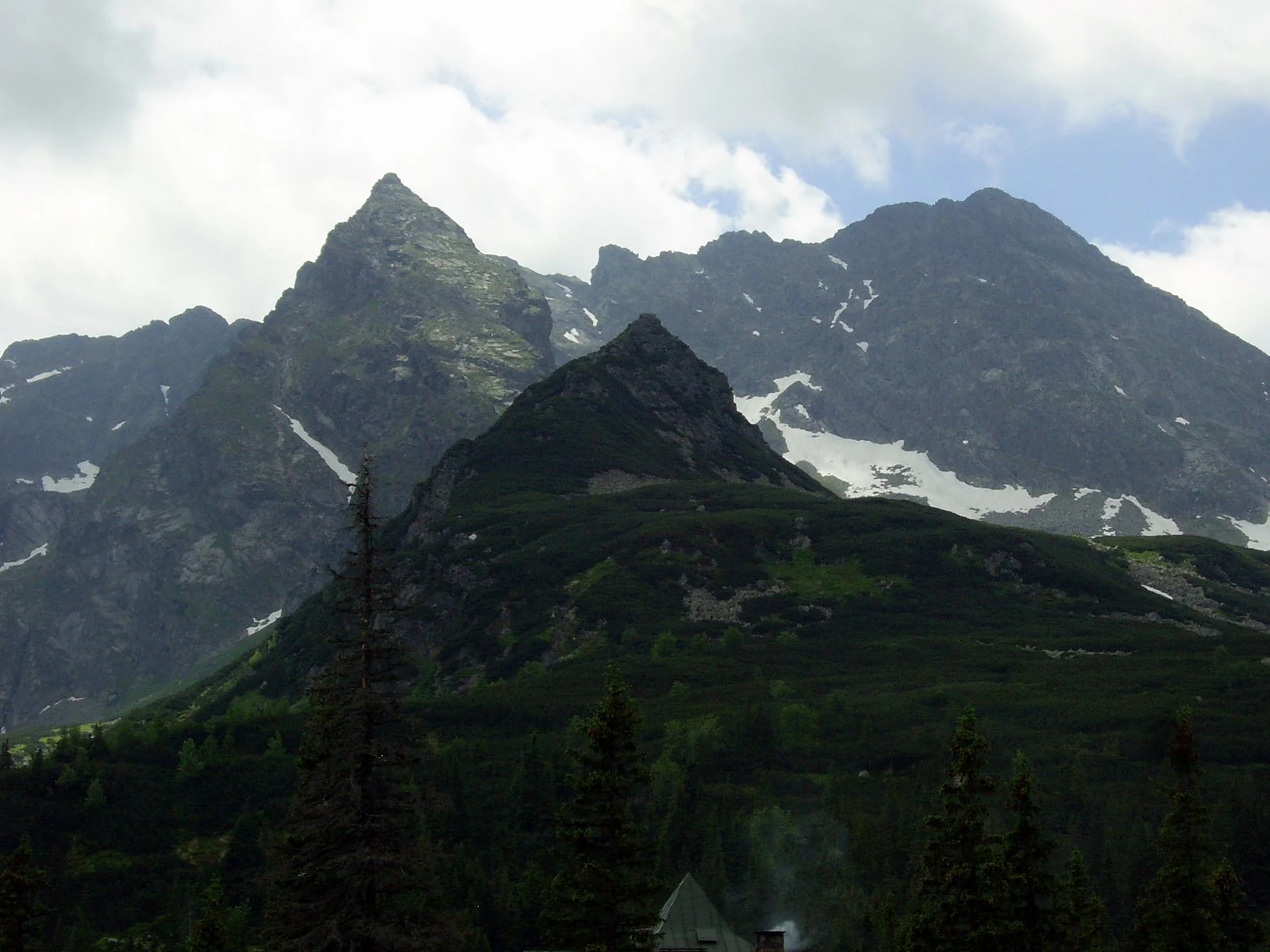
Krzysztof Dudzik-Górnicki (ToSter) · CC BY 3.0 · photograph source
Cywiński, Lichota and the art of reading terrain.
Władysław Cywiński (1939–2013), a rescuer and expert on Tatra topography, represents the importance of precision. This approach pays attention to more than summits: small passes, ledges, gullies and their connections matter too. Accounts of his activity include mountain journeys with Malinowski. Not all were skiing journeys; climbing and skiing should retain their separate identities in the story.
Edward Lichota belongs to the world of highly demanding ski descents. The Tatra Museum recalls his descent of Załupa H on Zadni Kościelec. Such names and places explain why ski mountaineering cannot be contained in results tables. A particular line in particular conditions can itself be an achievement: a meeting of technique, experience and mountain terrain.
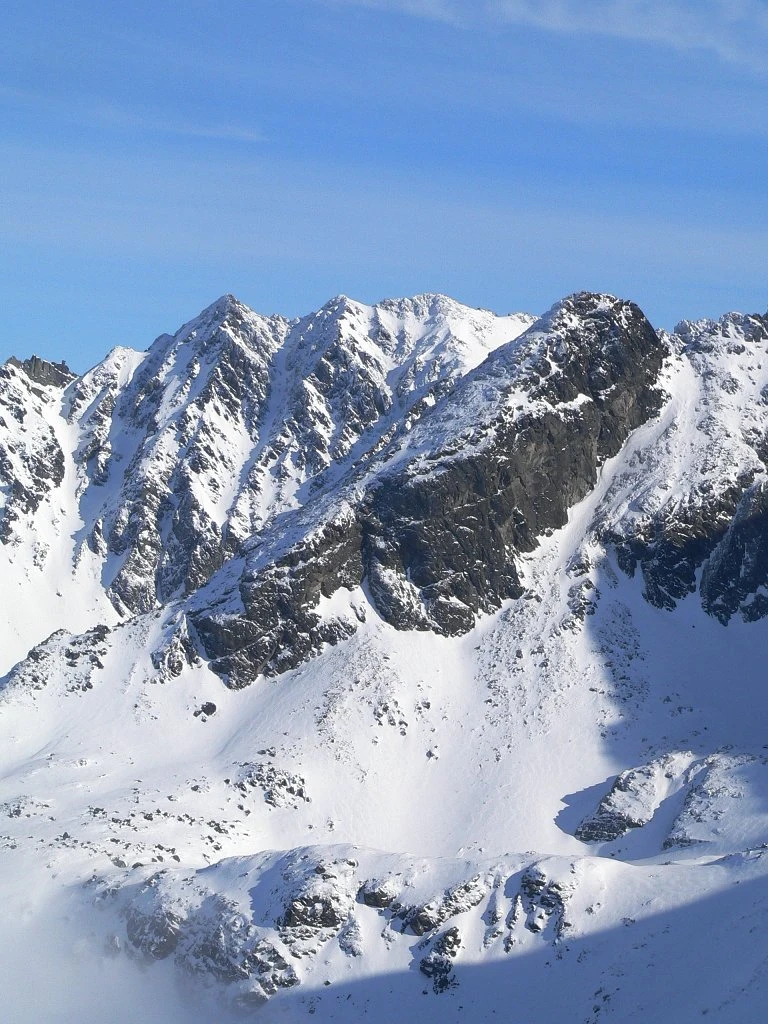
AvantaR~commonswiki (autorstwo według Commons / attribution per Commons) · Public domain · photograph source
First, observe.
Then, understand.
Kościelec connects the early story from our previous chapter with steep skiing. In winter, snow reveals lines that look very different in summer.
Lighter equipment. Still your own steps.
Climbing skins beneath the skis enable the ascent; removing them prepares the same equipment for skiing down. That change of mode captures the character of the activity. The summit is more than the starting point of a downhill run. It is somewhere the skier must first reach through effort.
Modern equipment can be remarkably light, especially in racing. Yet the differences between a competition, a tour and a steep descent remain. The historical seal skins pictured here also explain the literal origin of the Polish word foki. Technology has changed materials and convenience without changing the central idea: using snow to travel independently through the mountains.
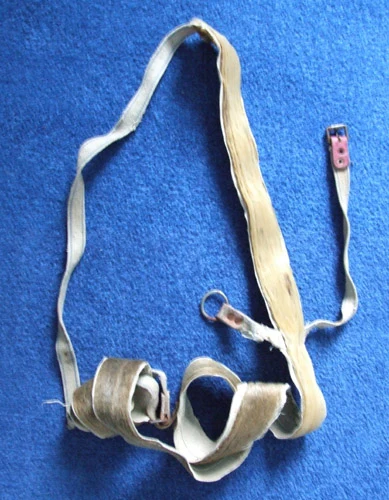
2005biggar · CC BY-SA 3.0 · photograph source
When a mountain journey becomes a race.
The Polish Mountaineering Association’s strategy identifies 1989 as the beginning of modern ski mountaineering competitions in Poland, in the Tatras. This is distinct from the prewar ski races described earlier in our series. Events developed their own continuity, including the Jan Strzelecki Memorial and the Piotr Malinowski Memorial.
The PZA Polish Cup began in 2002, when Poland also sent a team to the first world championships in Serre Chevalier. The association records Polish championships within its system in 2004. Racing provides a shared framework for comparing performance, while retaining mountain demands: descents, transitions and efficient movement across changing terrain alongside endurance.
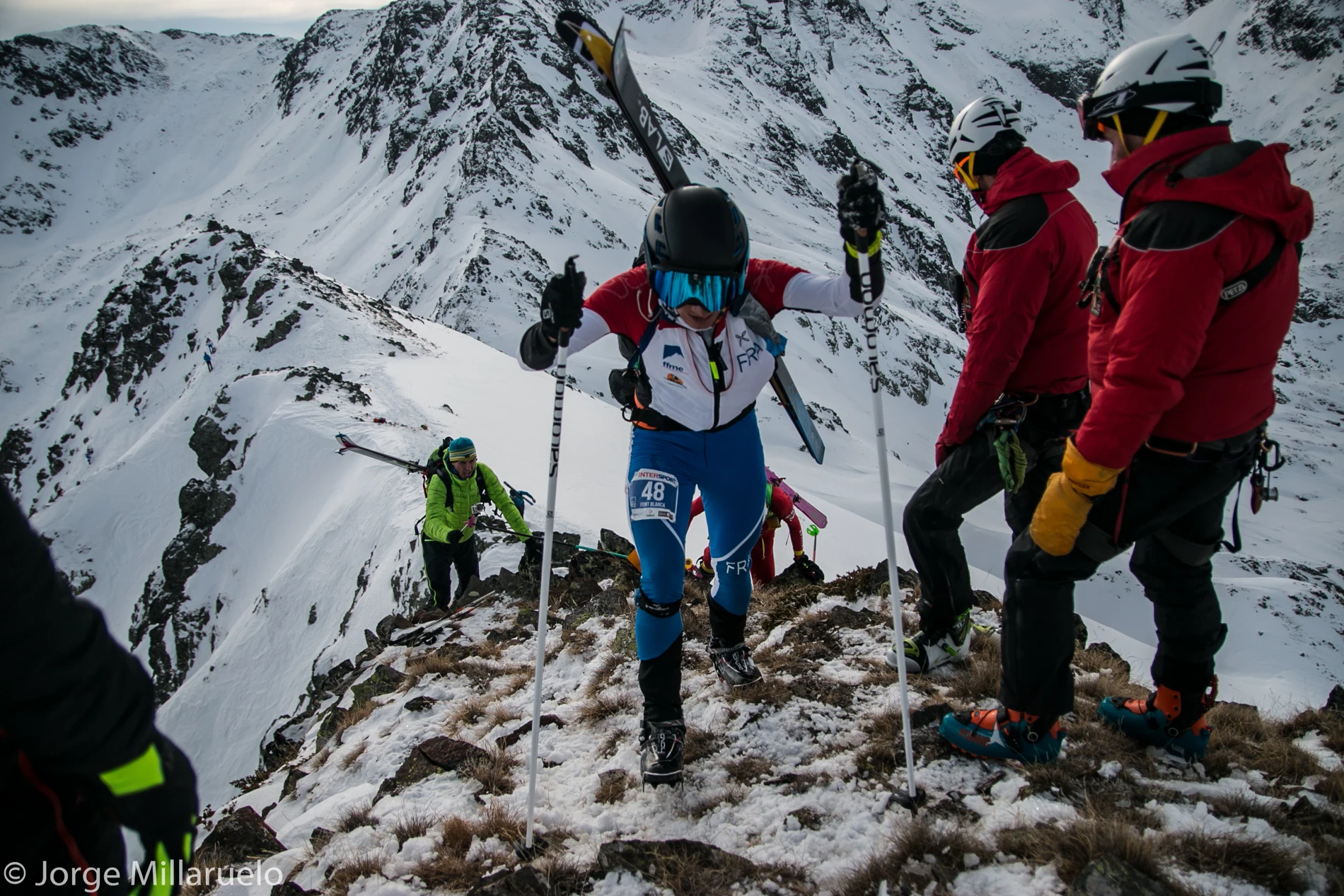
Jorge Millaruelo · CC BY-SA 2.0 · photograph source
Women write chapters of their own.
Magdalena Derezińska won world championship silver in the espoir category in 2004. Julia Wajda earned two European championship bronze medals as a cadet in 2007. Keeping those categories visible respects the athletes’ development and allows their achievements to be appreciated accurately.
In Verbier in 2015, Anna Figura became senior world silver medallist in the sprint. Anna Tybor also competed at those championships, and the two raced together in the team event. Tybor’s subsequent path extended beyond competition: in 2021 she skied down Manaslu. Championship racing and expedition ambition meet within the same broader history, with women central to both.
Anna Figura
Senior world championship sprint silver · Verbier
Anna Tybor
Ski descent of Manaslu · an expedition path alongside racing
Andrzej Bargiel. The racer who took skiing higher.
Before the world watched his K2 descent, Andrzej Bargiel developed experience in competitive ski mountaineering too. PZA records, among other results, third place in the 2009 espoir World Cup standings. The expedition chapter of his life therefore also draws on a sporting foundation: endurance, efficiency and familiarity with sustained effort on skis.
On 22 July 2018, Bargiel completed the first ski descent from the summit of K2, at 8,611 metres. A mountain usually admired from a distance became the terrain of a skiing journey. The achievement has a precise date, but behind it stand preparation and teamwork. The expedition film conveys the scale of the undertaking far better than a record alone.
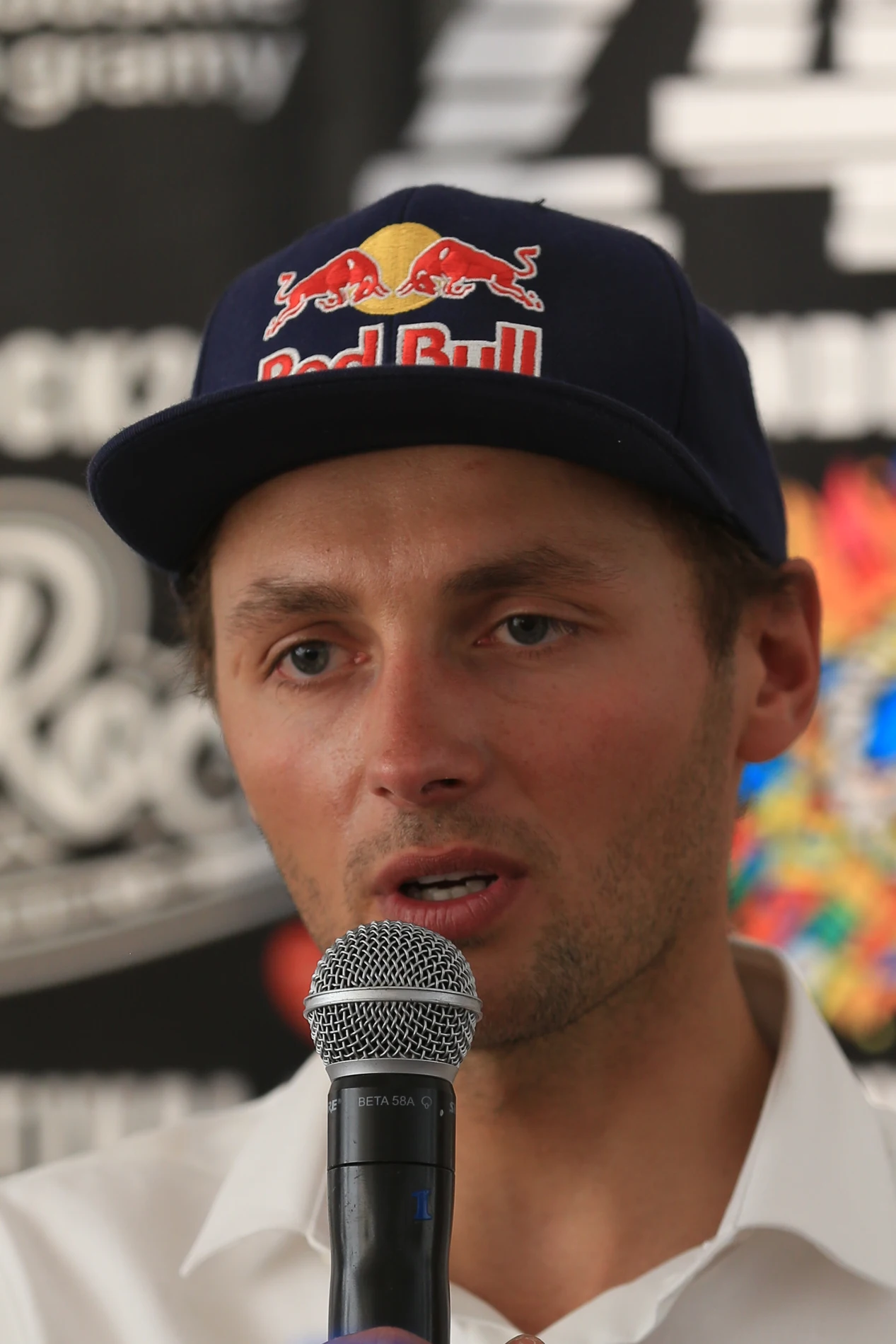
Ralf Lotys (Sicherlich) · CC BY 4.0 · photograph source
8,611 metres.
The way is down.
Photographed at a public event less than two weeks after the historic descent. The portrait records that meeting; the film below shows the expedition itself.
Svy123 · CC BY 3.0 · photograph source
K2 Ski Challenge / Andrzej Bargiel
Red Bull Snow film of the 2018 expedition, published in 2020. Around 12 minutes of authentic footage.
▶ WATCH THE EXPEDITION FILM ↗Open the original film on YouTube ↗ · Red Bull Snow · CC BY 3.0 · Commons
Everest: a story of returning, too.
Everest did not yield success at the first attempt. In 2019, a huge threatening serac was among the reasons Bargiel abandoned his plan; strong winds stopped the 2022 attempt. His own expedition account describes both decisions. They belong in this story as well: a goal can remain alive even when the right decision in a particular year is to stop.
In 2025 he climbed Everest and skied down without supplementary bottled oxygen. He paused overnight at Camp II, around 6,400 metres, continuing the next morning through the Khumbu Icefall towards base camp. The distinction matters: this was not an uninterrupted descent within one day. The achievement needs no embellishment; its scale remains extraordinary when described precisely.
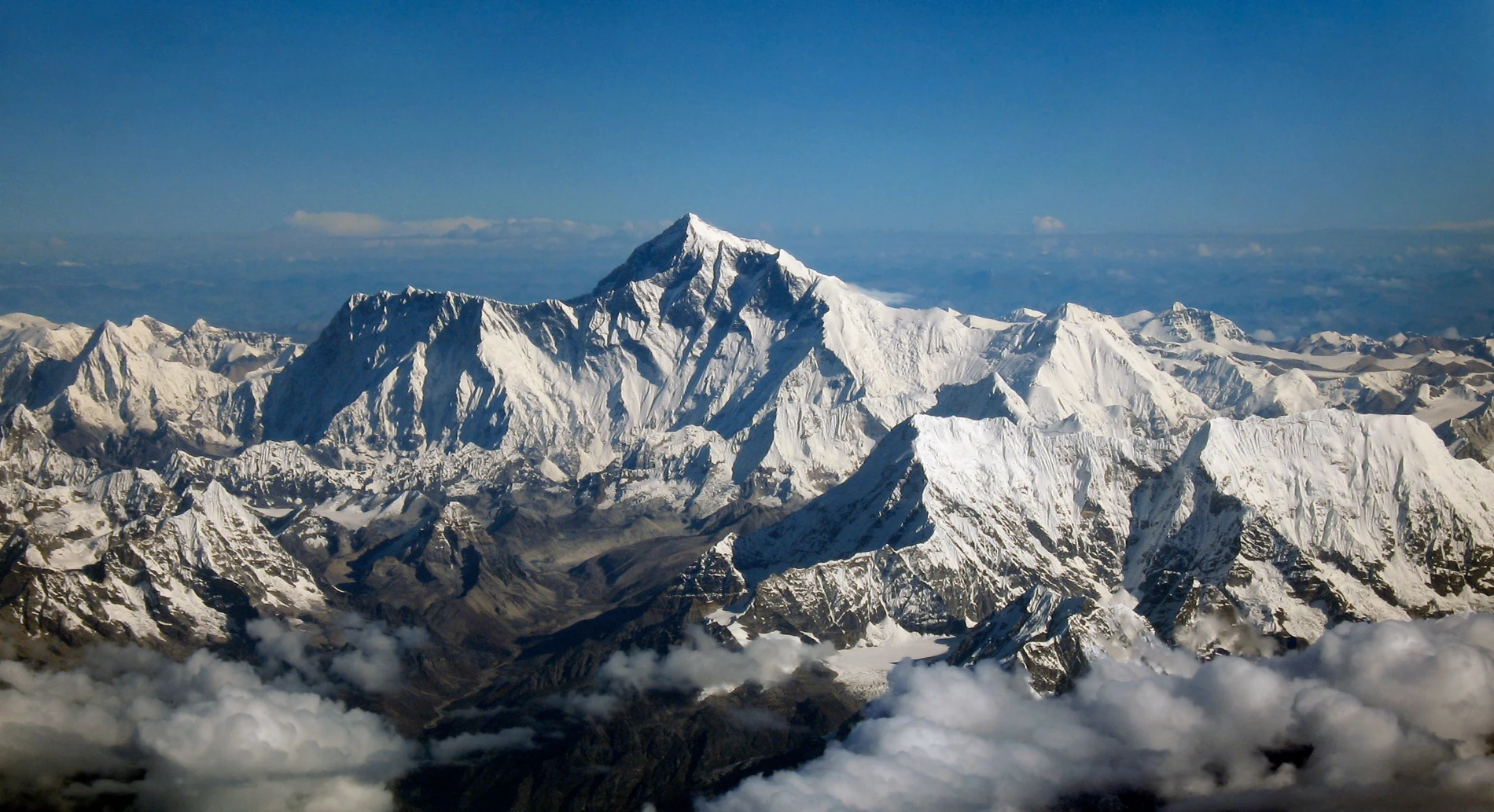
shrimpo1967 · opracowanie / derivative: Papa Lima Whiskey 2 · CC BY-SA 2.0 · photograph source
2026. A mountain sport reaches the Olympic stage.
Ski mountaineering made its Olympic debut at Milano Cortina 2026. Iwona Januszyk and Jan Elantkowski represented Poland, finishing ninth in the mixed relay on 21 February. After decades of development, the competitive branch of the discipline reached a new international audience.
The Olympic sprint and relay do not contain the whole world of ski mountaineering. Long tours, steep Tatra lines and expeditions far from race courses continue alongside them. From Kuźnice, this history resembles tracks branching across the snow. They lead in different directions, yet begin in a similar way: with a person, a pair of skis and the decision to climb.
From Tatra racing to the Olympic start line.
modern Polish competitions begin
Bargiel skis down K2
Everest without supplementary oxygen
ski mountaineering’s Olympic debut
Sources and photographs
Based on the publications and accounts below. The 1989 date concerns modern ski mountaineering competition, not the beginning of all ski racing in Poland. Landscape photographs are not presented as records of the expeditions described.
- Piotr Malinowski — TOPR
- Kościelec, Malinowski i Lichota — Muzeum Tatrzańskie
- Władysław Cywiński — wspomnienie / remembrance
- Strategia rozwoju alpinizmu 2017–2027 — PZA, s. 16–17
- Anna Figura, Verbier 2015 — PZA
- Anna Tybor, Manaslu 2021 — PZA / Taternik
- K2, 22.07.2018 — Red Bull
- Everest 2019 / 2022 / 2025 — Andrzej Bargiel
- Milano Cortina 2026 — PKOl
Photographs were resized and converted to WebP; the header crops responsively. The Everest panorama is the existing version edited by Papa Lima Whiskey 2. Each photograph retains the licence linked in its caption, including ShareAlike terms. No generated historical people or scenes were added. Editorial date: October 2026.
Before the trail reached this high.
Zaruski, Zdyb, Oppenheim and Ruda Wanda. Discover the early ski mountaineering story and the world of the first great Tatra tours.
THE ORIGINS OF SKI MOUNTAINEERING →