
 MOUNTAIN
EXPLORERS
ME RENT · KUŹNICE
Kuźnice.
From iron and fire
to the Tatra gateway.
Before the cable car came a valley of ironworkers, a manor welcoming travellers and a school that changed women’s lives. Discover the many lives of Kuźnice.
The history of Kuźnice stretches far beyond the cableway. It is a story of work and ambition, changing landscapes and people who gave this valley new purposes.
Follow the valley from pastoral beginnings and ironmaking to the Homolacs household, the Zamoyski family, the school and the national park. Archive photographs guide the journey; their dates and reproduction credits are given beside each image.
A valley older than tourist Zakopane
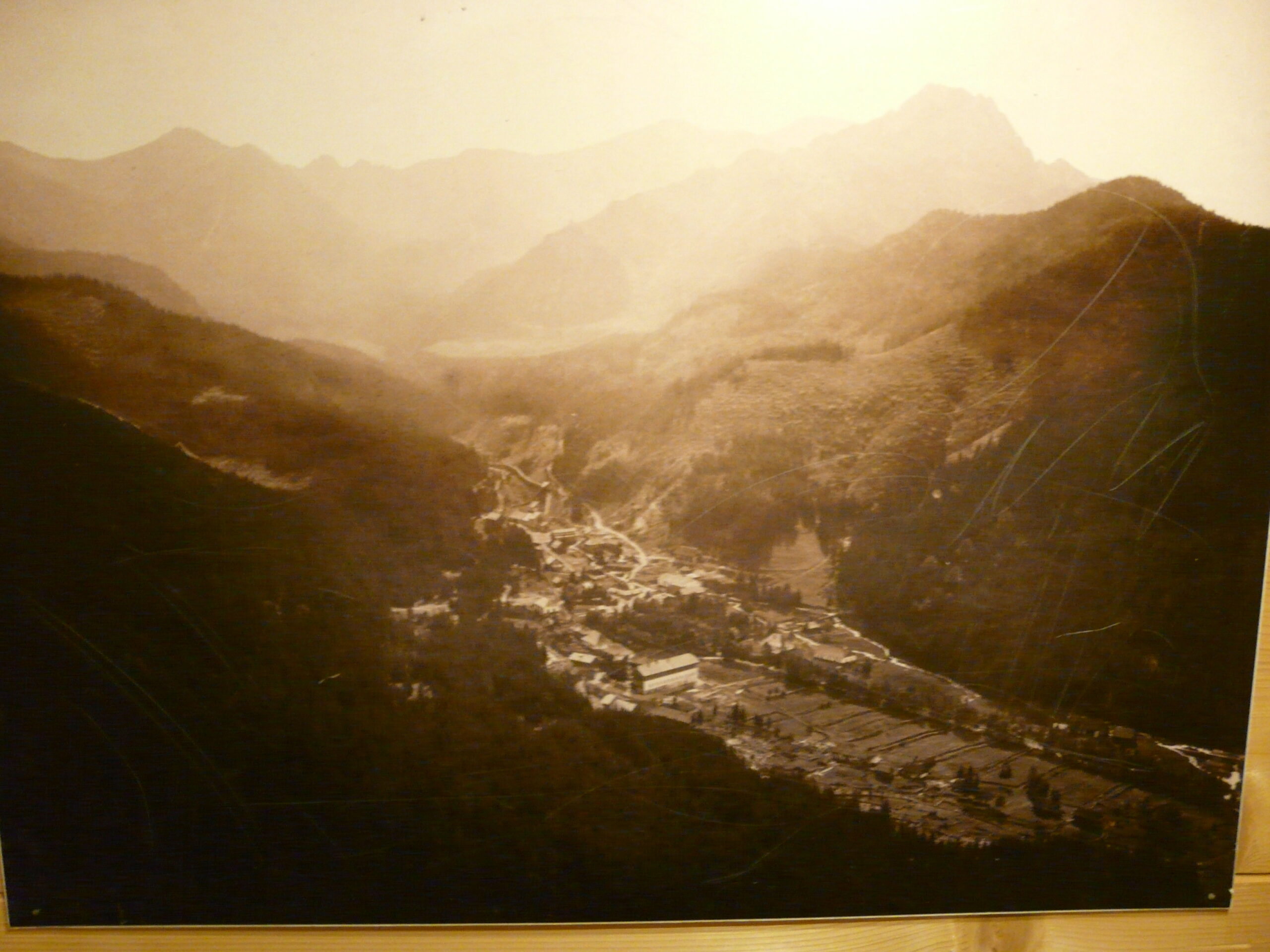
Arriving in Kuźnice today, we instinctively look for the cable car or a trail sign. Yet its story begins long before mass tourism. The Bystra Valley was a place of work, grazing and the use of mountain resources. The earliest references to pastoral activity nearby date to the seventeenth century. This does not establish that an ironworks or the settlement as we know it already existed: those are separate stages of the story.
The beginnings call for care. Tatra National Park identifies 1701 as the probable date of the first reference to the Huty Hamerskie ironworks. Later, better-documented history reveals a distinctly industrial place. The name Kuźnice, and the older local name Hamry, preserve the memory of metalworking.
The cable car belongs much later in the story. First came a valley, water, forest and people who looked to the mountains for their livelihood. The ironworks, manor, school and familiar gateway to the trails developed on those foundations.
References: [1]
The mountains that powered the works
An ironworks needed ore, fuel and power. Ore came from mines in the Tatras, with the Jaworzynka and Kopa Magury area playing an important role. Forests supplied timber and charcoal; streams drove machinery. What now appears to be a quiet landscape was part of a working system linking mines, transport routes, furnaces and workshops.
The blast furnace produced pig iron. Further processing turned it into usable metal. Water channels brought the force of the stream to machinery. Ore alone could never have sustained the enterprise: skilled work, fuel, transport and power had to meet in the same place.
This dependence had a cost. Industrial development placed pressure on the forests and reshaped the settlement’s surroundings. In old photographs, look beyond the buildings to open slopes, watercourses and roads. The landscape carries evidence of the economy that once depended on it.
Royal property, Austrian administration and difficult beginnings
Renewed mining activity in the second half of the eighteenth century offered fresh opportunities for ironmaking. The works formed part of the economic resources of the Nowy Targ starosty. After Franciszek Rychter Pelikańczyk acquired the starosty in 1767, the Kuźnice works were expanded. The First Partition of Poland changed the political setting: Austrian administration took control in 1773.
The enterprise remained dependent on finite resources. Pig-iron production stopped in 1791. Attempts at reorganisation failed to secure lasting stability, and a raid and fire in 1794 interrupted activity again.
Kuźnice did not follow an uninterrupted path of growth. It experienced shortages, destruction and changes of management. Long before the Homolacs family arrived, the settlement had already known both investment and crisis.
References: [1]
The family that gave Kuźnice new ambition
In 1807 Jan Wincenty Homolacs, originally from Hungary, purchased the works. Newly discovered ore around Kopa Magury created opportunities that his son Emanuel developed. In 1824 Emanuel acquired the Zakopane and Białka sections of the former royal estates. For an industrial owner, forests mattered as much as the furnace itself: they secured access to fuel.
The family settled in a new manor in Kuźnice in 1833. Edward Homolacs and his wife Klementyna, née Sławińska, became closely associated with the place. A community grew around the works. A school, an orchestra, visitors and the owners’ connections gave the settlement a social life extending well beyond production.
Kuźnice became a significant local centre while Zakopane still lacked developed facilities for visitors. Reversing today’s familiar proportions helps explain the depth of its history. For a time, this small settlement stood at the centre of the region’s working and cultural world.
Life beside furnaces and water-powered hammers
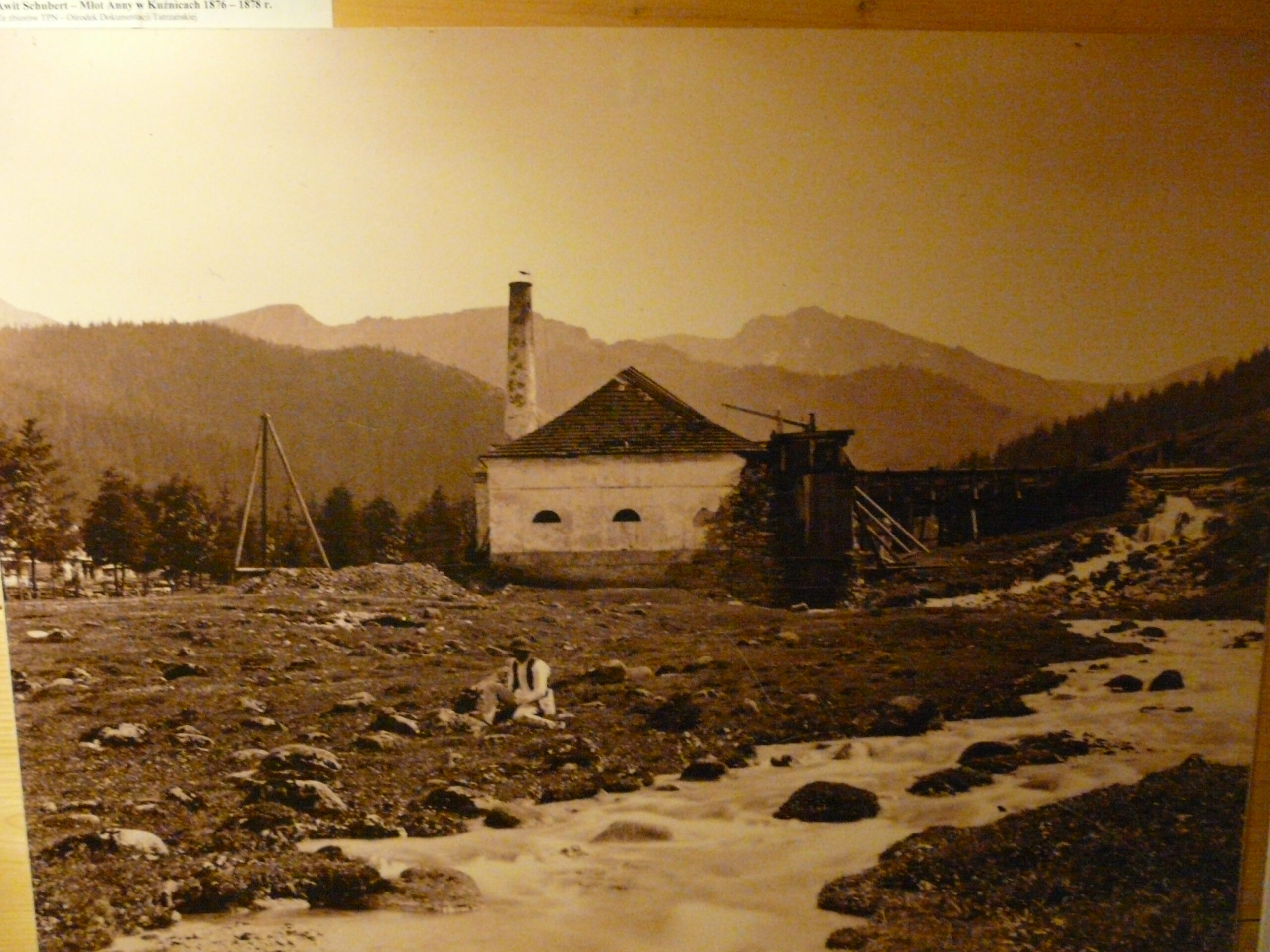
The industrial story has human faces, even when their names have been lost. In his recollections of old Zakopane, Wacław Anczyc described soot-covered ironworkers in leather aprons, ore carts and factory buildings along the road towards Kalatówki. For a child visiting from Kraków, this working settlement seemed almost a town of its own.
His account also records workers brought from Austrian territories, modest homes and water-powered machinery. Kuźnice brought together people with different backgrounds and skills. The history of the Tatras includes craftspeople, workers’ families and the everyday organisation that kept a settlement alive.
The photograph of St Anne’s Hammer brings the story to a particular building. Water, a workshop and the mountains occupy the same frame. The landscape was part of the working environment. An image like this helps us understand old Kuźnice through something tangible.
References: [4]
Before the Tatras became fashionable
The Homolacs manor welcomed travellers. Before the villas and guesthouses of Zakopane appeared, Kuźnice offered visitors facilities and contact with people who knew the mountains. An industrial settlement thus played a part in a different appreciation of the Tatras: as a place for exploration, observation and walking.
The park, fountain and social life reflected the owners’ ambitions. Edward Homolacs’s natural history collection, supplemented by the forester Antoni Kocyan, adds another strand: curiosity about mountain nature. Specimens, observations and collections came before today’s forms of national park education.
The surviving buildings should not all be mistaken for the original Homolacs manor. The complex changed over time: some structures disappeared, while others found new uses. Walking through the park means reading traces of the past, rather than seeing a settlement preserved without change.
References: [3]
When the furnace no longer set the rhythm
In the second half of the nineteenth century, local ironmaking struggled against larger and more modern competitors. Ore and fuel shortages added to the pressure. The Homolacs family’s sale of the estates around 1870 opened an uncertain chapter.
Ludwig Eichborn and later Magnus Peltz became owners. New activities included timber processing and paper making. Paper mills operated along the approach to Kuźnice and within the settlement. Tatra National Park also records the later reuse of the upper paper mill’s remains for a power station established by Zamoyski in 1914.
These ventures did not resolve all the estate’s difficulties. Exploitation continued to change the landscape, and the future of the property attracted wider concern. More than factory buildings was at stake: the estates included extensive forests and mountain valleys.
A purchase that changed the future of the Tatras
In 1889 Władysław Zamoyski acquired the Zakopane estates at auction. The story of bids raised by a tiny coin remains popular, but the consequences matter more than the anecdote. Kuźnice gained an owner whose management of property was closely linked to public aims.
Zamoyski supported forest protection and restoration, infrastructure in Zakopane and the cause of Morskie Oko. His decisions had practical effects on land, transport, water and institutions needed by local residents. Kuźnice stood at the heart of this work.
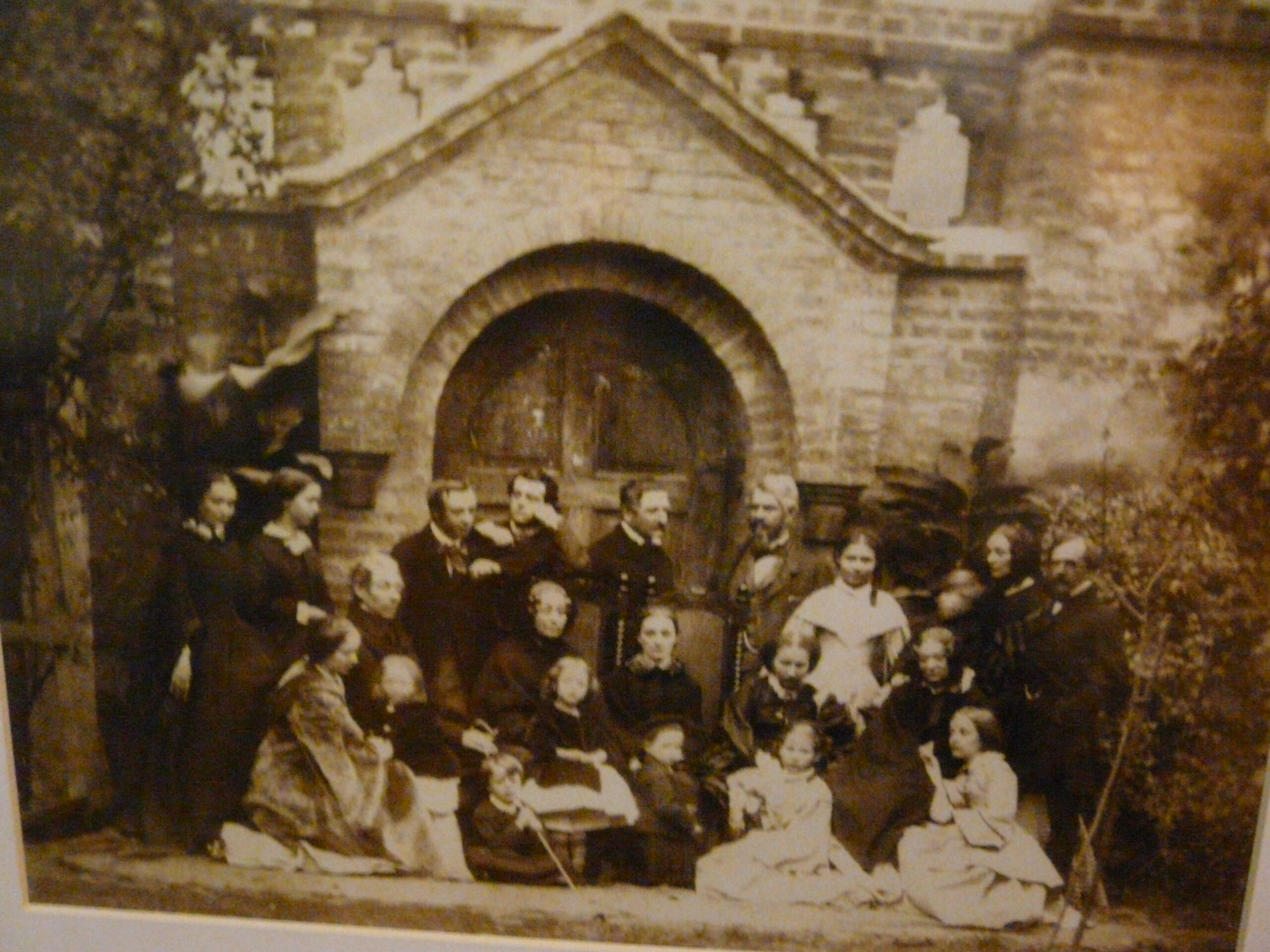
Two men with the same name should be distinguished: General Władysław Zamoyski, Jadwiga’s husband, and their son Władysław, the future owner of the Zakopane estates. In the family photograph from 1859, the future purchaser is still a child. Three decades later, his name became inseparable from the story of Kuźnice.
A school in the former industrial administration building
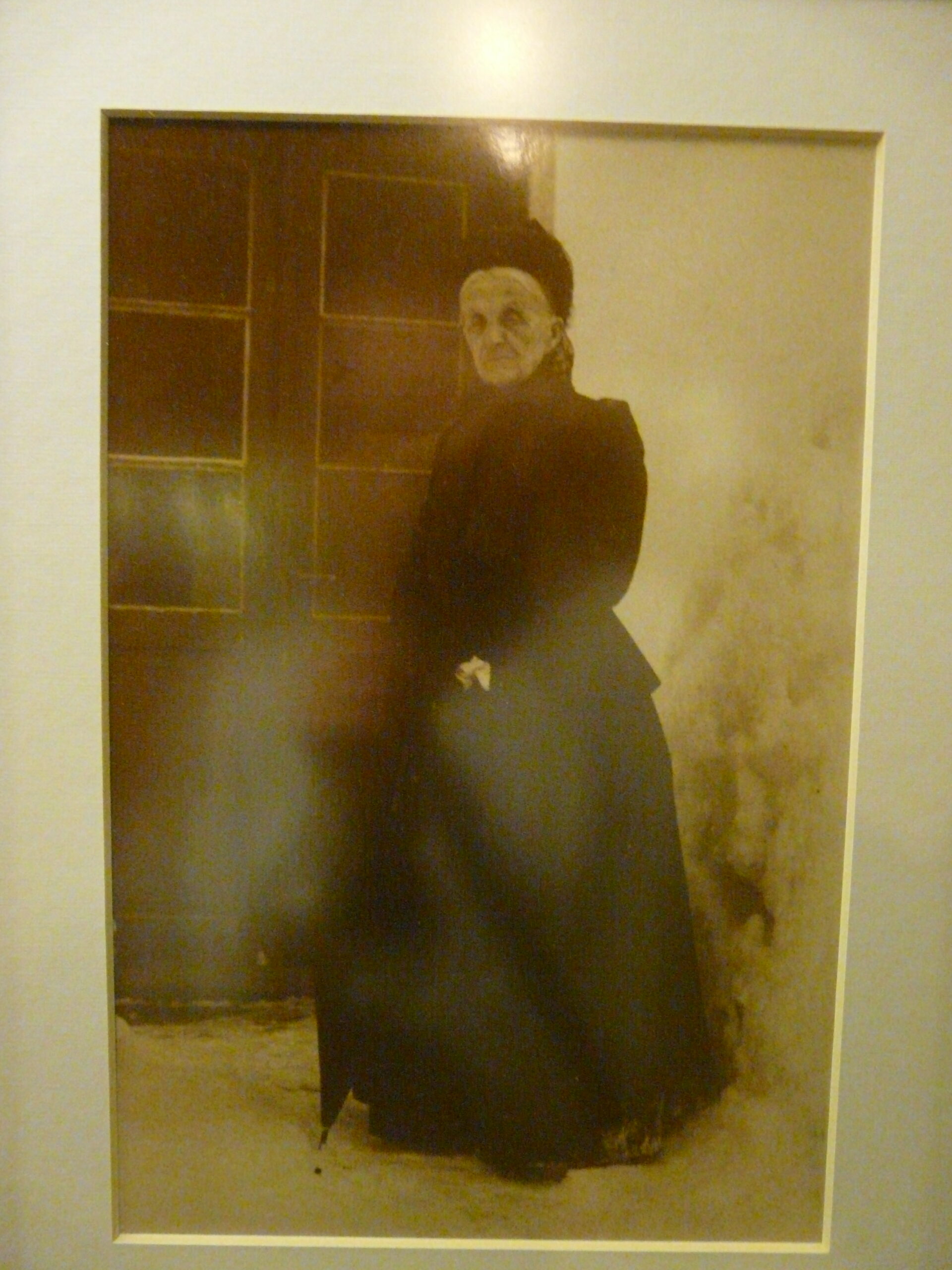
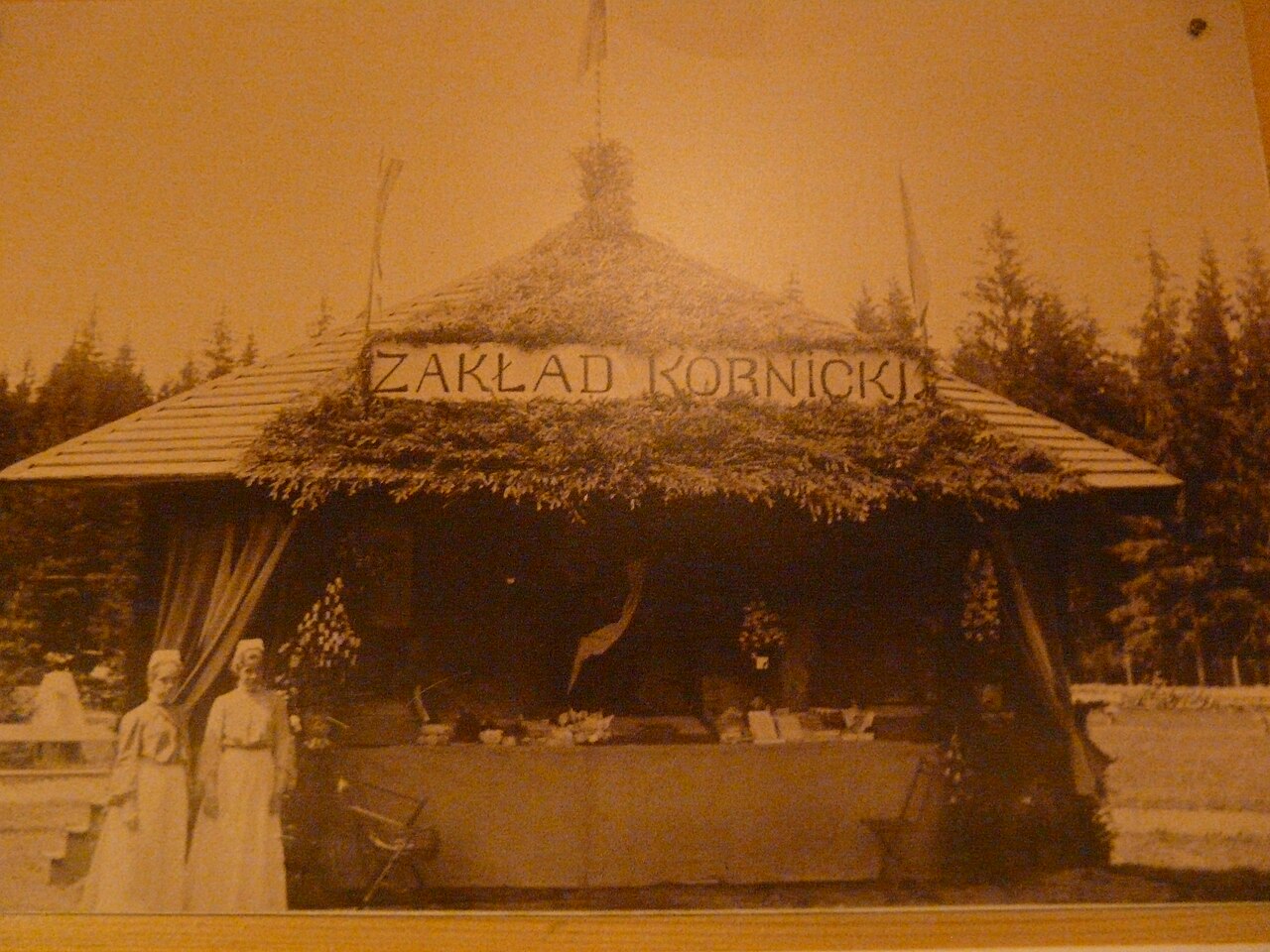
Jadwiga Zamoyska founded the School of Domestic Work for Women in Kórnik in 1882, with her daughter Maria and a circle of collaborators. Pressure from the Prussian authorities forced the institution to move. Its journey through Spiš and the Kalwaria Zebrzydowska area eventually brought it to the Tatras.
In 1891 the school settled in Kuźnice, in an adapted building formerly used by the ironworks administration. This was one of the decisive changes in the settlement’s history. Buildings once serving industry began to serve education. The valley acquired new residents, purposes and daily routines.
The programme reflected its founder’s religious and patriotic outlook, while pursuing knowledge, independence, responsibility and the organisation of work. Cooking was one element of a broader educational ambition. The school deserves a chapter of its own in the history of Kuźnice.
The Kuźnice of women, workshops and gardens
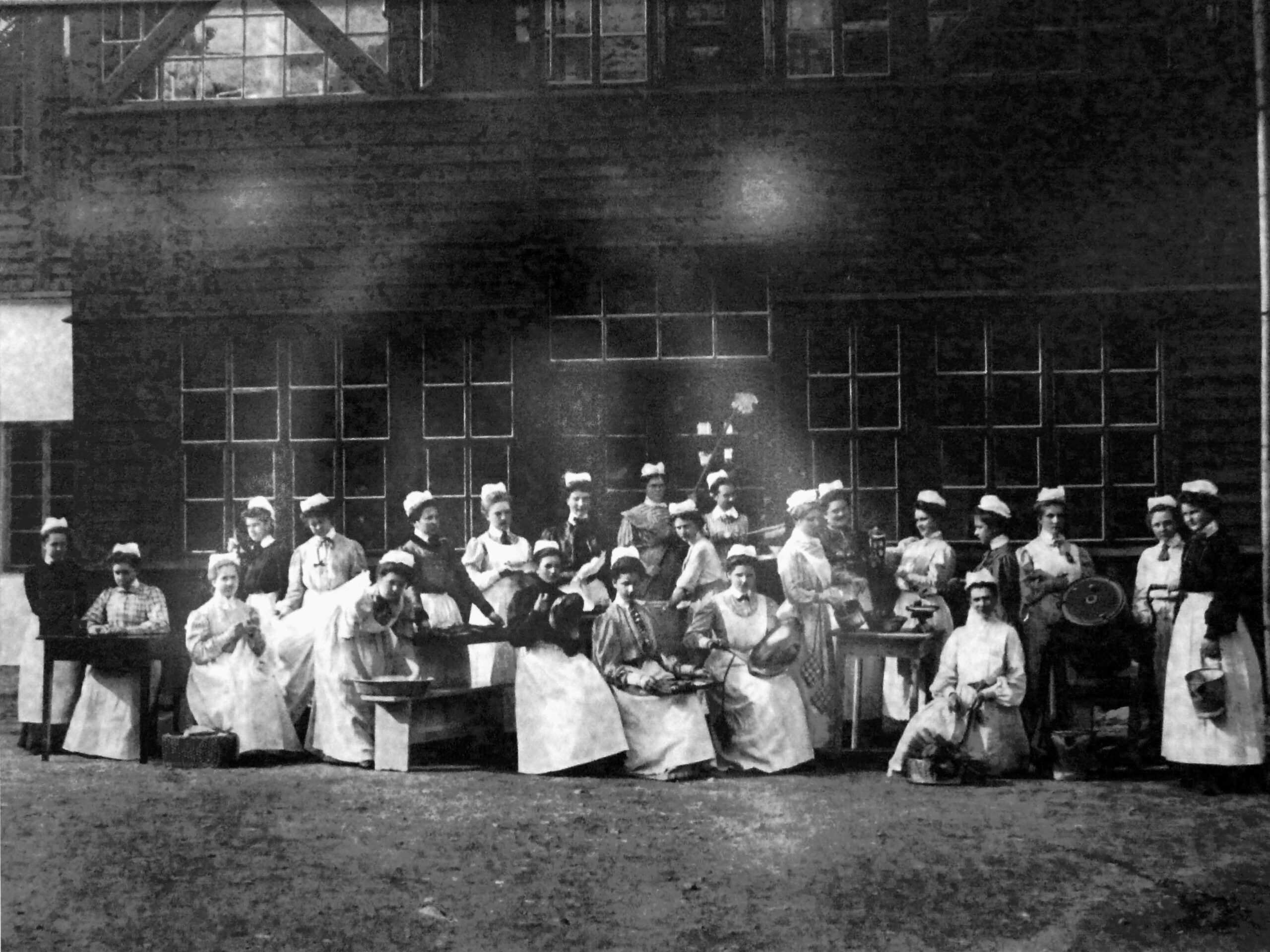
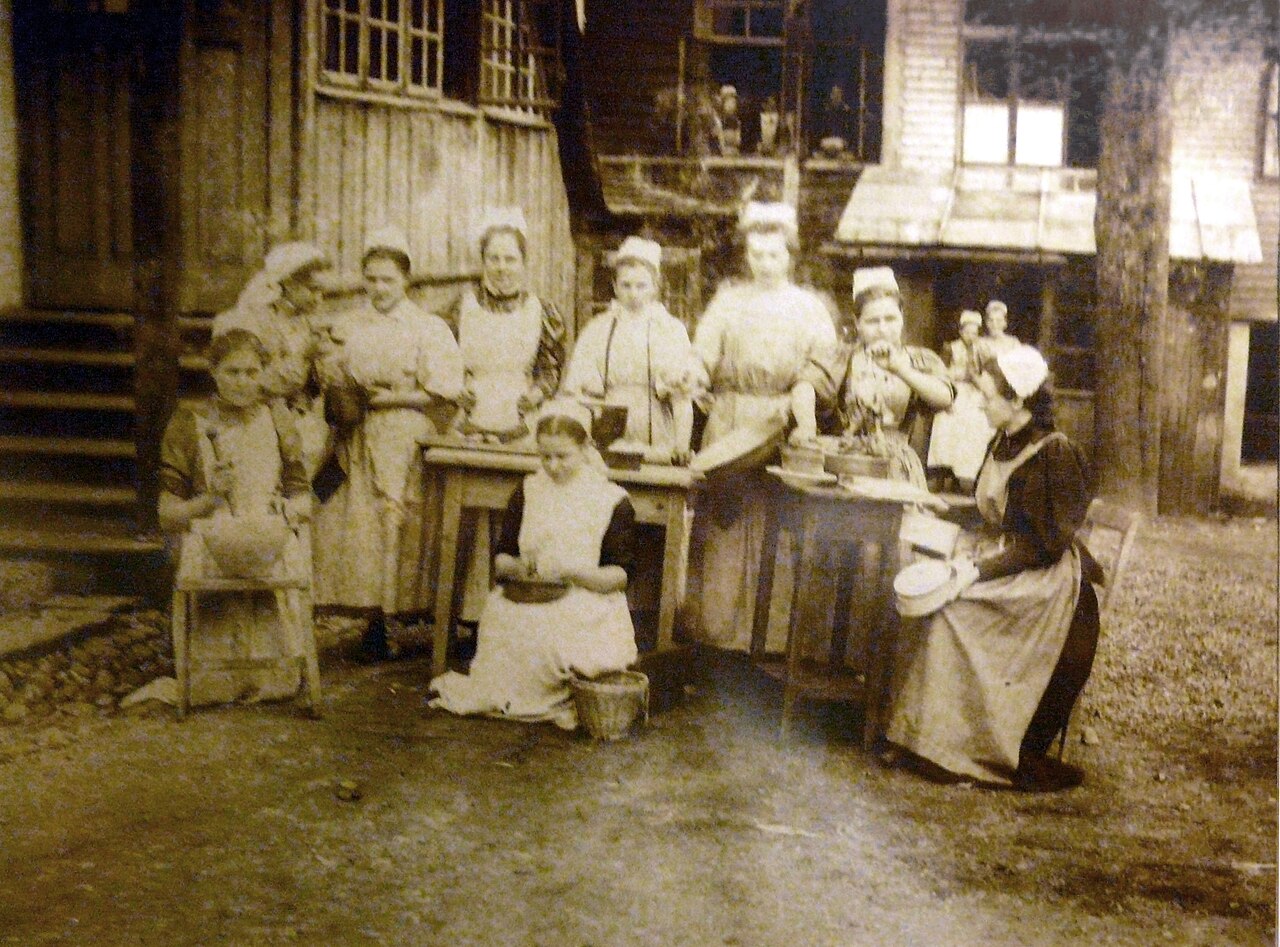
The students were known as cepculki, after their distinctive caps. Archive photographs reveal a community: groups outside a building and students at work, with faces of different ages and backgrounds. They offer a very different view of Kuźnice from the familiar queue for the cable car.
Cooking, sewing and embroidery were taught alongside general subjects including history, literature, drawing and singing. Learning was connected to practice. Gardens, farm facilities and workshops supported the institution; new buildings and installations helped it develop.
Photographs deserve precise captions. A workshop image documents a particular school and its everyday life. The views by Henryk Schabenbeck and the Stefa studio shown here date to the early twentieth century and are presented through modern photographs of exhibition reproductions.
An institution facing a changed world
The outbreak of the First World War found Jadwiga and her children in France. Correspondence replaced direct supervision of the school, while financial difficulties and travel restrictions complicated its operation. Research into the institution also records support given to refugees and orphaned children.
Jadwiga died in 1923 and Władysław in 1924. The Foundation Zakłady Kórnickie then opened another chapter. Maria Zamoyska remained important to the continuity of the work. The history of Kuźnice continued through the school, the maintenance of the estate and the efforts of successive people.
The interwar period brought fresh economic and organisational challenges. Its history extends beyond the famous investment completed in 1936. Kuźnice remained a place of education and daily life while visitor numbers gradually grew.
A new gateway, not the beginning of the story
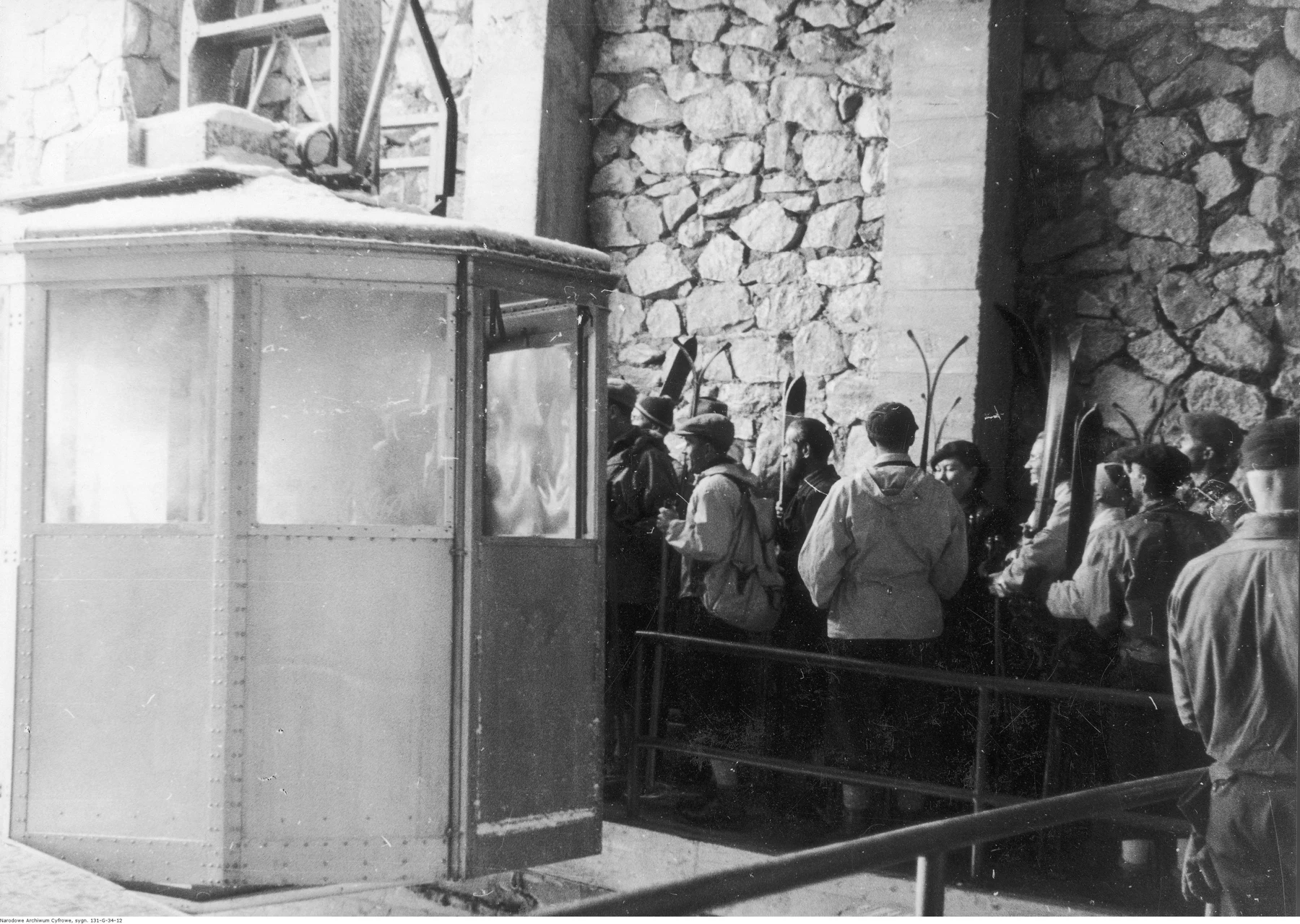
According to the Polish Cableways chronology, construction of the Kasprowy Wierch cableway began on 1 August 1935. After 227 days, the first cabin reached the summit on 15 March 1936. Kuźnice became the lower station of a project that transformed access to the mountains.
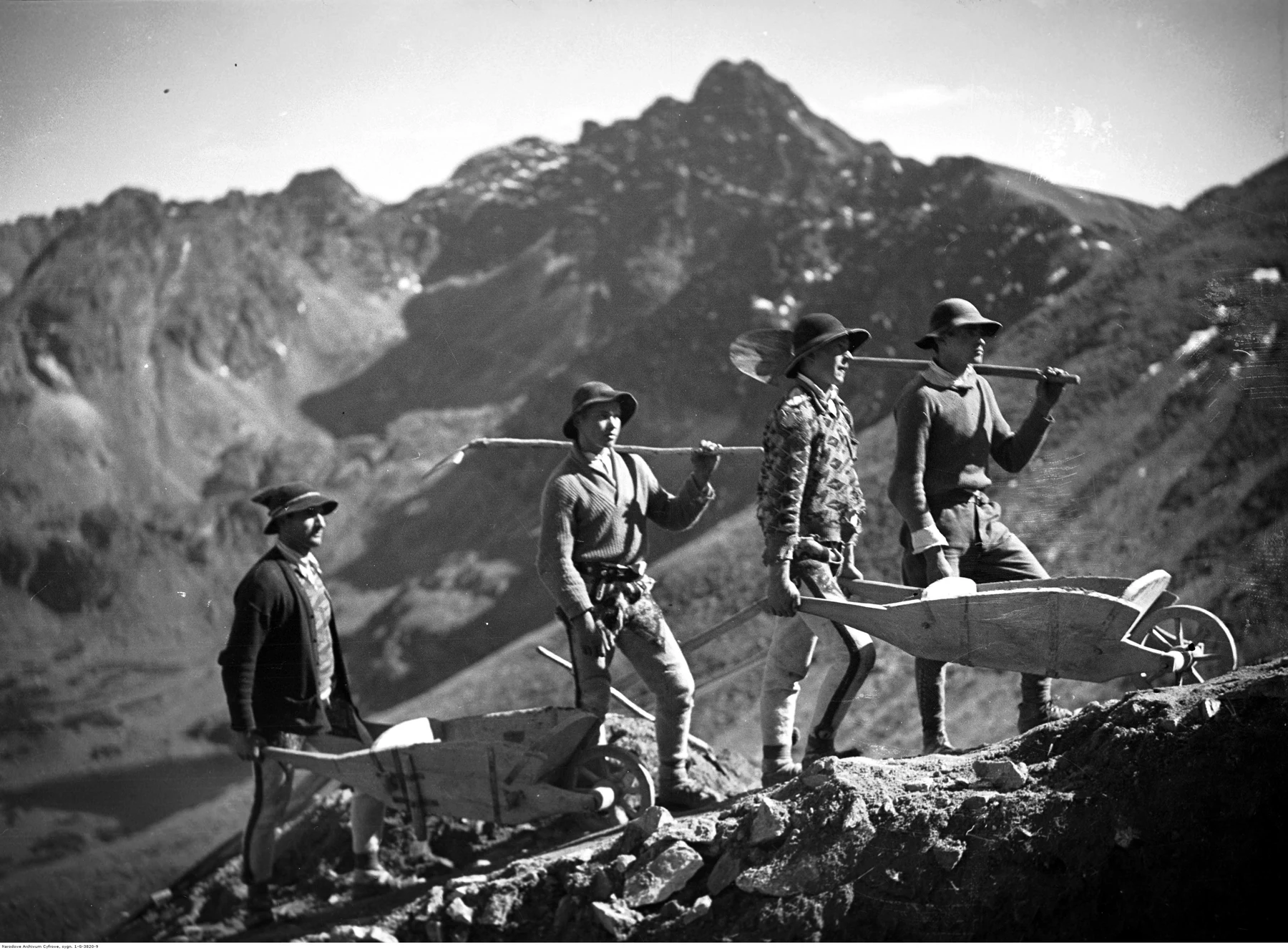
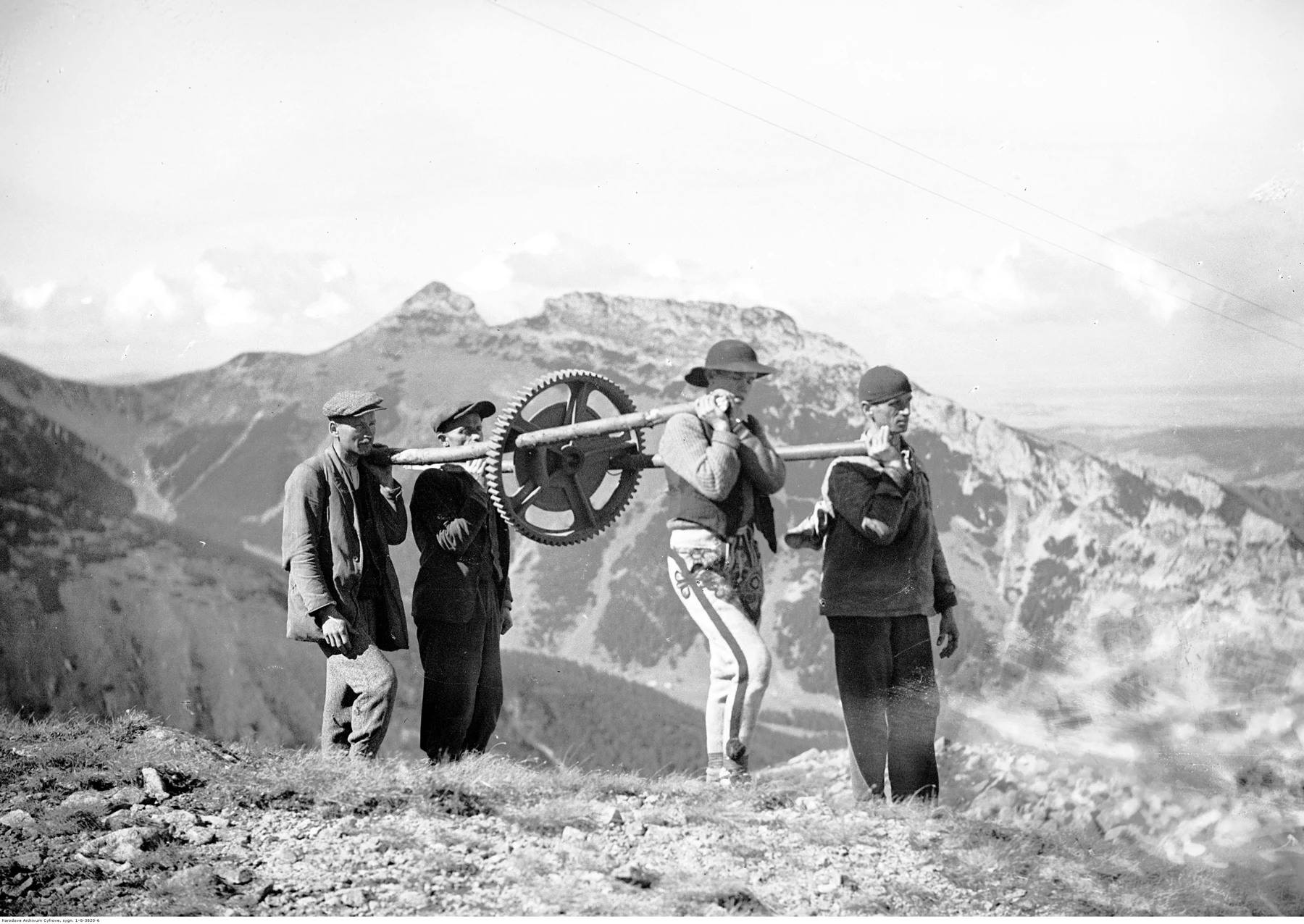
Construction demanded labour, transport and persistence in difficult conditions. Archive images of wheelbarrows and machinery parts recall the physical effort behind the technical achievement. After ironworks, manor and school, the cableway added another powerful feature to the landscape.
The full construction story has its own article. Here, the cableway concludes a much longer sequence of pre-war changes. When the first passengers arrived, Kuźnice already had centuries of working history and decades of educational activity behind it.
References: [10]
New lives for old buildings
During the Second World War, the school had to leave its building, which was used by the occupying forces. Its post-war return proved brief. In subsequent decades, the former estate served the treatment and rehabilitation of children and young people.
In 2003 the neglected buildings and grounds passed to Tatra National Park. Restoration made the historic layout legible again, protected old structures and created exhibition spaces. The remains of the manor matter, alongside the more modest buildings that supported everyday life.
The former granary and carriage house help explain the people, collections and values associated with the place. Kuźnice can therefore be a destination without a journey up Kasprowy Wierch. The park and buildings reward a visit in their own right.
Seeing the Kuźnice we usually hurry past
Begin with a simple question: what was this building used for before it became part of today’s national park setting? Look for traces of the manor complex, the fountain, service buildings and the nearby stream. Industry, education, conservation and tourism meet within a small space.
Then think of the people in the photographs: ironworkers, the Homolacs household, the Zamoyski family, students and cableway builders. Each used the same valley differently. Kuźnice helps us understand how life beneath the Tatras changed.
Afterwards, continue towards Kalatówki, Kondratowa or Hala Gąsienicowa. The walk will have a different beginning. Behind the name Kuźnice, a settlement with a memory of its own will have come into view.
References: [3]
Kuźnice in fourteen dates
References to pastoral use of the area.
Probable first reference to the ironworks, according to Tatra National Park.
The works pass to Austrian administration.
The Homolacs period begins.
Emanuel Homolacs acquires the Zakopane and Białka estates.
The family settles in the Kuźnice manor.
The estates are sold as ironmaking declines.
Jadwiga Zamoyska founds her school in Kórnik.
Władysław Zamoyski purchases the Zakopane estates.
The school moves to Kuźnice.
The Foundation Zakłady Kórnickie period begins.
Construction and opening of the Kasprowy cableway.
The post-war chapter of treatment and rehabilitation.
The former estate complex passes to Tatra National Park.
Sources and image rights
Historical sources
- TPN — Kuźnice, nie tylko brama w Tatry
- TPN — Przemysł w Tatrach
- Miasto Zakopane — zespół dworsko-parkowy
- Wacław Anczyc — O dawnym Zakopanem (1938)
- PAN Biblioteka Kórnicka — Jadwiga Zamoyska, kalendarium
- PAN Biblioteka Kórnicka — Była taka szkoła
- MuFo — Jadwiga Zamoyska, zakopiańskie wspomnienie
- Muzeum Tatrzańskie — Uczennice Jenerałowej Zamoyskiej
- Fundacja Zakłady Kórnickie — wystawa stulecia
- PKL — historia kolei
- TPN — Spichlerz
- Miasto Zakopane — Władysław Zamoyski
- Muzeum Zamoyskich w Kozłówce — Władysław Zamoyski
- TPN — Projekt Drzewo
- Joanna Wesołowska — dzieje szkoły
- Zofia Nowak — Historia Zakładu Kórnickiego, część III
The chronology distinguishes the probable early reference around 1701 from documented later developments. The school’s move to Kuźnice is dated to 1891; cableway construction began on 1 August 1935, according to PKL. Sources may differ in the exact dating of industrial ownership changes, so the narrative uses “around 1870”.
Photography
- St Anne’s Hammer in Kuźnice, c. 1876–1878. Historical photograph by Awit Szubert. Photograph of the exhibition reproduction: Piotrus / Wikimedia Commons. Source · CC BY-SA 4.0.
- Kuźnice, c. 1889. Historical photograph by Stanisław Bizański. Photograph of the exhibition reproduction: Piotrus / Wikimedia Commons. Source · CC BY-SA 4.0.
- Jadwiga Zamoyska, founder of the School of Domestic Work for Women. Date of the historical photograph undetermined. Photograph of the exhibition reproduction: Piotrus / Wikimedia Commons. Source · CC BY-SA 4.0.
- Students of the School of Domestic Work for Women in Kuźnice, 1907–1908. Historical photograph by Henryk Schabenbeck. Photograph of the exhibition reproduction: Piotrus / Wikimedia Commons. Source · CC BY-SA 4.0.
- Students of the School of Domestic Work for Women, c. 1905–1911. Henryk Schabenbeck / Stefa studio. Photograph of the exhibition reproduction: Piotrus / Wikimedia Commons. Source · CC BY-SA 4.0.
- Work of the School of Domestic Work for Women shown at a historical exhibition in Księżówka. Date of the historical image undetermined. Photograph of the exhibition reproduction: Piotrus / Wikimedia Commons. Source · CC BY-SA 4.0.
- The Zamoyski family in 1859. General Władysław, Jadwiga and relatives; the future owner of the Zakopane estates is among the children. Photograph of the exhibition reproduction: Piotrus / Wikimedia Commons. Source · CC BY-SA 4.0.
- Construction of the Kasprowy Wierch cableway, 1935. Highlanders transporting building materials in wooden wheelbarrows. Narodowe Archiwum Cyfrowe. Source · public domain.
- Transporting a gear wheel for the construction cableway winch, 1935. Narodowe Archiwum Cyfrowe. Source · public domain.
- A cableway cabin and passengers in Kuźnice. Archive date range: 1935–1939. Henryk Poddębski / NAC · 131-G-34-12. Source · public domain.
Begin your own mountain story.
Pause in Kuźnice, then choose equipment suited to your route and the conditions. The history stays with the place; the next memory is yours.
EXPLORE EQUIPMENT RENTAL ↗

No comment yet, add your voice below!