 MOUNTAIN
EXPLORERS
ME RENT · KUŹNICE
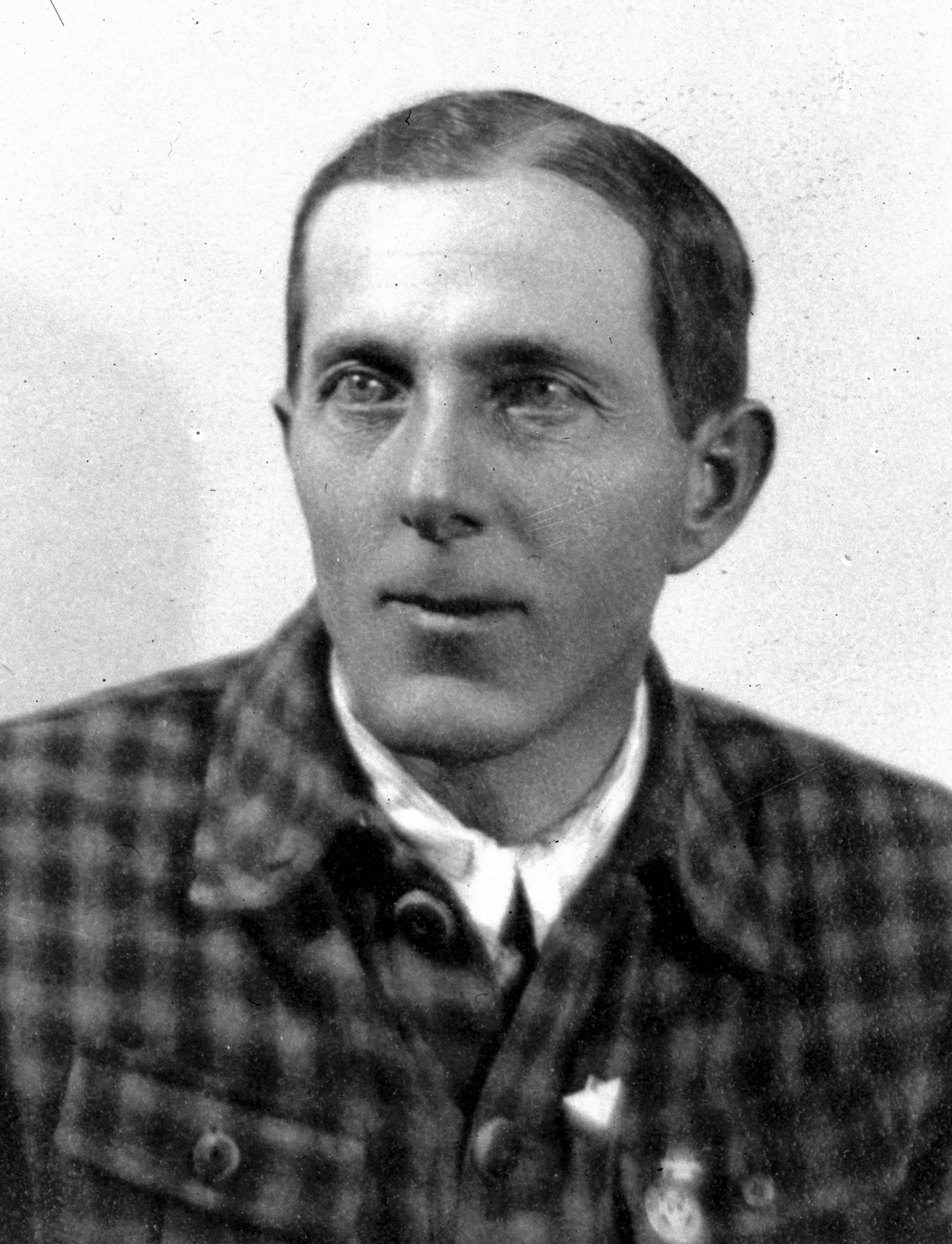
The Bujak brothers.
Olympians
and ski makers
Before skiing became a major industry, its growth in Zakopane depended on people who raced, made their own equipment and taught others to travel over snow. In the Bujak family, sporting ambition and the confidence to create came together early.
Before skiing became a major industry, its growth in Zakopane depended on people who raced, made their own equipment and taught others to travel over snow. In the Bujak family, sporting ambition and the confidence to create came together early.
This is the story of an era when a skier understood equipment from the first wooden plank, and experience on the slopes travelled straight into the workshop. Józef and Franciszek Bujak wrote two distinct but closely connected chapters of that history.
Two brothers, two important stories
Accounts of early skiing in Zakopane can easily confuse the two brothers. Józef Bujak was an outstanding cross-country skier, a Polish champion and a competitor at the 1928 St. Moritz Olympics. Franciszek Bujak also competed at the Olympics, in Chamonix in 1924, and became known as a maker of skis and ski wax. Both belonged to a generation that helped create the infrastructure the sport needed.
Their story shows how Polish skiing grew through local trails, workshops and sports clubs, shaped by people who understood Tatra snow through first-hand experience.
An athlete of many disciplines
Józef Bujak was born in Zakopane on 31 October 1898. A soldier, clerk, sports organiser and versatile competitor, he practised cycling, swimming, rowing, ice hockey and athletics as well as skiing.
His greatest successes came on skis. He won four Polish championship titles across the 18- and 30-kilometre cross-country events and slalom. At the 1928 Winter Olympics in St. Moritz he finished seventeenth in the 18-kilometre race and nineteenth over 50 kilometres. In an era without today’s training, servicing and logistical support, these results demanded exceptional endurance.
The best equipment begins with a maker who knows snow through the kilometres they have travelled.
From competitor to ski maker
The older brother, Franciszek, was born in 1896. He represented the Ski Section of the Polish Tatra Society, became a Polish champion, competed in Chamonix and served the sport as an organiser. His story also leads into equipment manufacturing.
Around 1929 Franciszek began making skis and sporting goods in Zakopane. His workshop operated in Jaszczurówka-Bory, while sales were handled through Olga Bujak’s shop at 27 Krupówki. At a time when serial production in Poland was still developing, the workshop combined woodworking skills with experience gained directly on snow.
How a wooden ski was made
A pre-war ski was a craft product. Timber selection, grain direction, flexibility, balance and skilfully curved tips all mattered. Every pair required patient manual work. A mistake at one stage might only become apparent on snow.
A maker who also raced had a clear advantage: he understood how a ski behaved during a stride, a turn and changing conditions. Franciszek Bujak was one of those makers. His work brought together sport, craftsmanship and enterprise — foundations for the ski industry that later developed in Podhale.
Experience that still matters
An era separates Bujak’s wooden skis from today’s composite constructions. The central principle endures: equipment should suit the person, their ability, the terrain and the conditions. A brand name cannot replace an understanding of how a ski will perform.
This history feels close to our work. A rental shop is a place where experience helps a visitor choose suitable equipment and try it honestly on snow. In that sense, modern servicing and rental continue a Zakopane tradition: understand the mountains, then choose the right tools.
Key dates
Franciszek Bujak is born.
Józef Bujak is born.
Franciszek competes at the Chamonix Olympics.
Franciszek begins manufacturing skis in Zakopane.
Historical sources and photograph rights
Photograph: Unknown photographer, National Digital Archives, Poland, reference 1-S-1447-1. Public domain. English editorial adaptation by ME Rent, based on the sources listed above. Source material is in Polish unless otherwise indicated.
A good ski begins with knowledge
At ME Rent we follow the same principle: understand the skier, the route and the conditions before choosing a pair.
EXPLORE EQUIPMENT RENTAL ↗

No comment yet, add your voice below!